
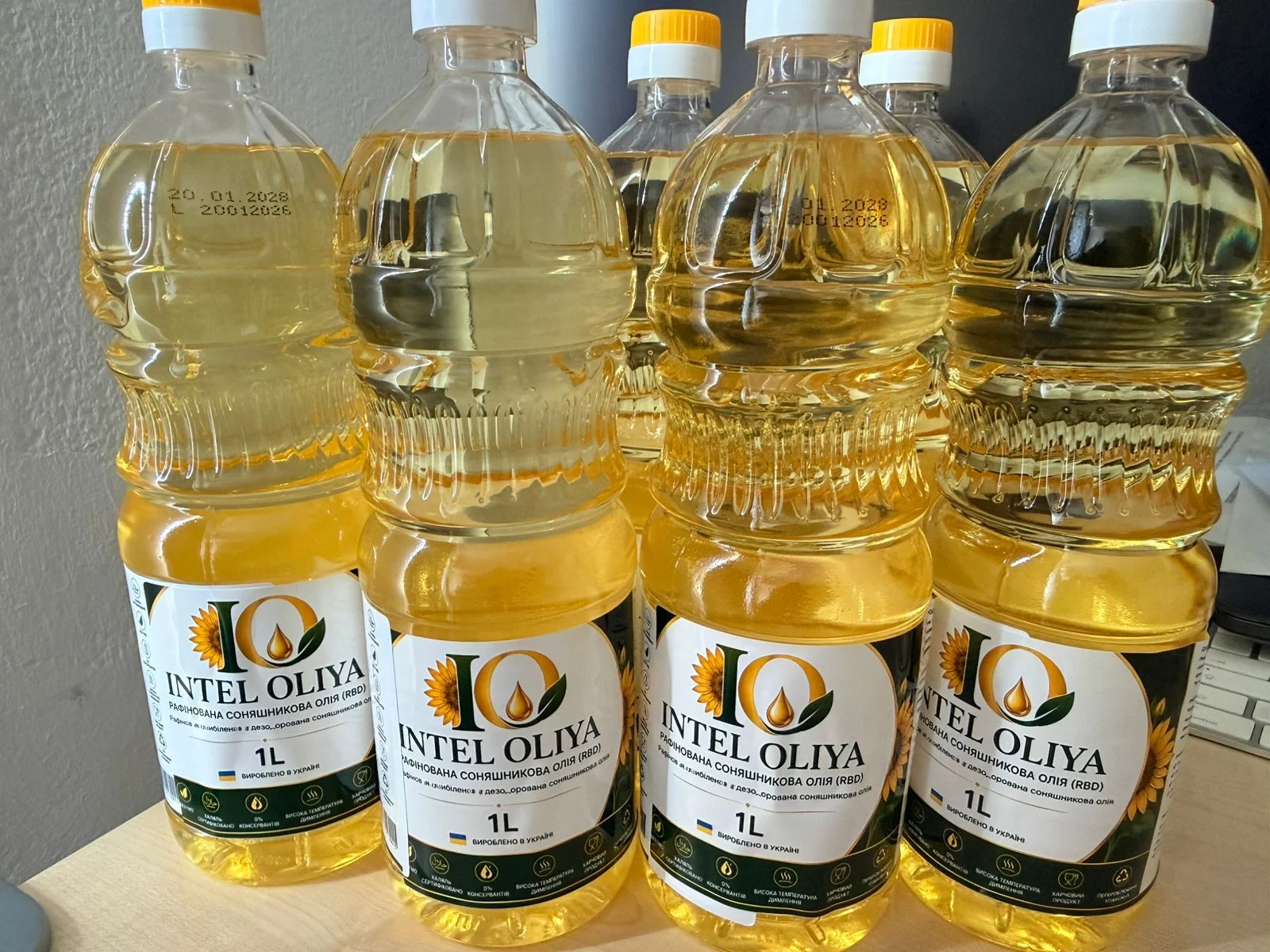
Ukraine-Origin Raw Sunflower Oil for Industrial Buyers
Crude Sunflower Oil Supplier from Ukraine for Refineries & Importers
Inter Oliya coordinates crude sunflower oil supply for edible-oil refineries, industrial processors, bulk importers, commodity traders and manufacturers. Orders start from 10 metric tonnes, with origin, extraction basis, specification, batch evidence, loading format, facility arrangement, price and export responsibilities confirmed in the written quotation.
- 10 MT MOQ Minimum commercial order
- From €910/MT Indicative starting price
- For Further Refining Raw oil for qualified industrial buyers
- Worldwide Export Europe, UK and global destinations
Inter Oliya is based in Ukraine. The page targets European, UK and international buyers without implying a local office, warehouse or legal establishment outside Ukraine.
Raw Oil for Further Refining
Crude sunflower oil is intended for refineries and processors—not direct retail cooking use.
Written Technical Specification
Acidity, moisture, impurities, phosphorus, origin and refinery suitability are confirmed before contracting.
10 MT Minimum Order
One consistent entry quantity for qualifying European, UK and worldwide B2B enquiries.
Facility, Batch & Loading Review
Verify the producer or loading facility, lot analysis, tank or liner and shipment documents.
Crude Oil Product Overview
Crude sunflower oil for further refining and industrial processing
Crude sunflower oil is the raw oil obtained after sunflower-seed pressing or extraction and preliminary clarification. It has not completed the full edible-oil refining process required for finished cooking, foodservice or retail supply.
Depending on the feedstock and processing route, crude oil can contain phospholipids, free fatty acids, natural pigments, waxes, moisture, insoluble impurities and volatile compounds that must be evaluated before refining.
The product is primarily purchased by refineries and qualified industrial processors with the equipment and technical capability to complete degumming, deacidification, bleaching, dewaxing, deodorization, filtration and final quality release.

Its suitability depends on feedstock, extraction route, specification, storage condition and the receiving refinery’s process.
Industrial Buyer Applications
Crude sunflower oil supply for refineries, processors and bulk importers
The product is intended for companies with a defined industrial use and the technical, storage and regulatory capability to receive crude vegetable oil.
Edible-Oil Refineries
Need crude-oil parameters, refinery suitability, batch consistency and bulk-loading information.
Industrial Processors
Require product identity, processing compatibility, storage planning and agreed technical limits.
Bulk Importers
Need origin, Incoterm, customs documents, tank or flexitank details and destination coordination.
Commodity Traders
Need transferable product information, clear delivery terms, counterpart verification and price validity.
Food-Oil Manufacturers
Require raw material suitable for downstream refining, blending and finished-oil production.
Contract Refiners
Need reliable specifications, production scheduling and traceable batch or shipment information.
Industrial Ingredient Buyers
Need confirmation that the oil is technically suitable for their intended manufacturing process.
Procurement Teams
Need legal, facility, product, quality, loading, banking and claims verification before payment.
Crude Sunflower Oil Specification
Approve the crude-oil parameters that determine refinery suitability
“Crude sunflower oil” is not a complete procurement specification. The product must be defined by measurable parameters, test methods, origin, extraction route and intended refinery use.
Origin & Extraction Basis
Confirm Ukraine origin, feedstock identity and whether the oil is pressed, extracted or otherwise produced.
Acid Value or Free Fatty Acids
Agree the reporting basis, unit, test method and maximum acceptable value for refinery intake.
Moisture & Volatile Matter
Review the value against storage, transport, processing and refinery-loss considerations.
Insoluble Impurities
Define the permitted level and whether additional clarification or filtration is expected.
Phosphorus & Phospholipids
Evaluate degumming requirements and compatibility with the receiving refinery’s process.
Peroxide Value
Confirm the test timing, storage history and acceptance criterion for the proposed lot.
Fatty-Acid Composition
Verify standard or high-oleic identity and suitability for the intended finished product.
Contaminants, Residues & Traceability
Define destination-relevant tests and link the results to the actual production or shipment batch.
Refinery Suitability
How crude sunflower oil enters the downstream refining process
The receiving refinery should evaluate the crude oil before purchase and define how it will be degummed, deacidified, bleached, dewaxed, deodorized and released.
Incoming Oil Review
Confirm identity, origin, batch, acidity, moisture, impurities, phosphorus and storage condition.
Degumming Assessment
Evaluate phospholipids and determine the pretreatment needed for the refinery route.
Deacidification Planning
Determine whether the refinery will use chemical neutralization or physical deacidification.
Bleaching Requirement
Assess pigments, oxidation products, trace contaminants and adsorbent demand.
Dewaxing or Winterization
Plan wax removal where the finished oil requires clear appearance at lower temperatures.
Deodorization
Define the finishing process needed to reduce volatile compounds and achieve the target sensory profile.
Yield & Loss Evaluation
Estimate refinery losses and finished-oil yield from the actual crude-oil specification.
Finished Product Release
Test the refined oil against the finished specification before packaging or commercial use.
Refinery yield, processing cost and final quality cannot be determined from the product name alone. The receiving refinery should review the proposed batch specification before contracting.
Explore the Refining ProcessBulk Loading & Transport
Loading formats selected for volume, route and receiving infrastructure
The loading method affects freight efficiency, product protection, discharge, storage and total landed cost. Availability is confirmed against the actual loading facility and route.
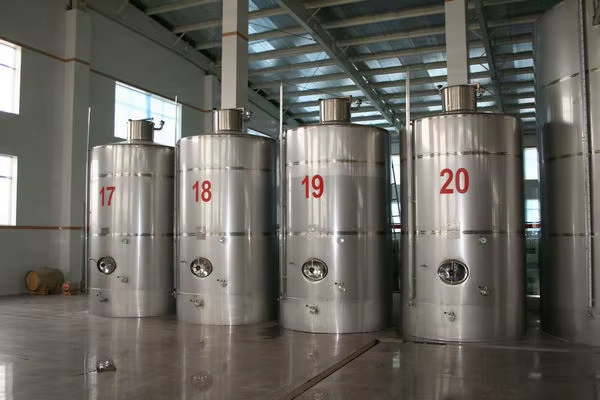
ISO Tank Supply
Subject to tank availability, food-grade suitability, cleaning history, route and return logistics.
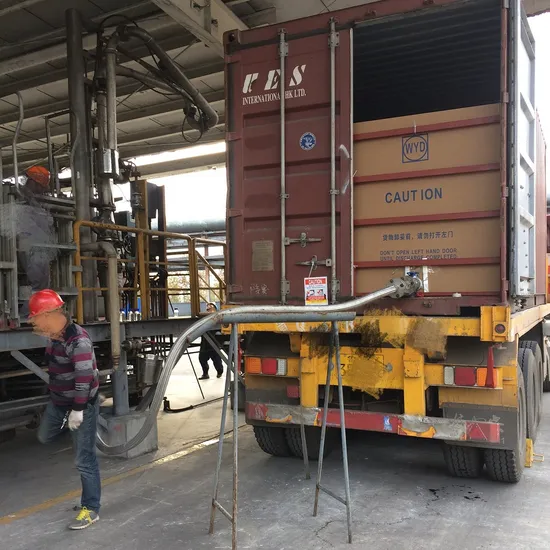
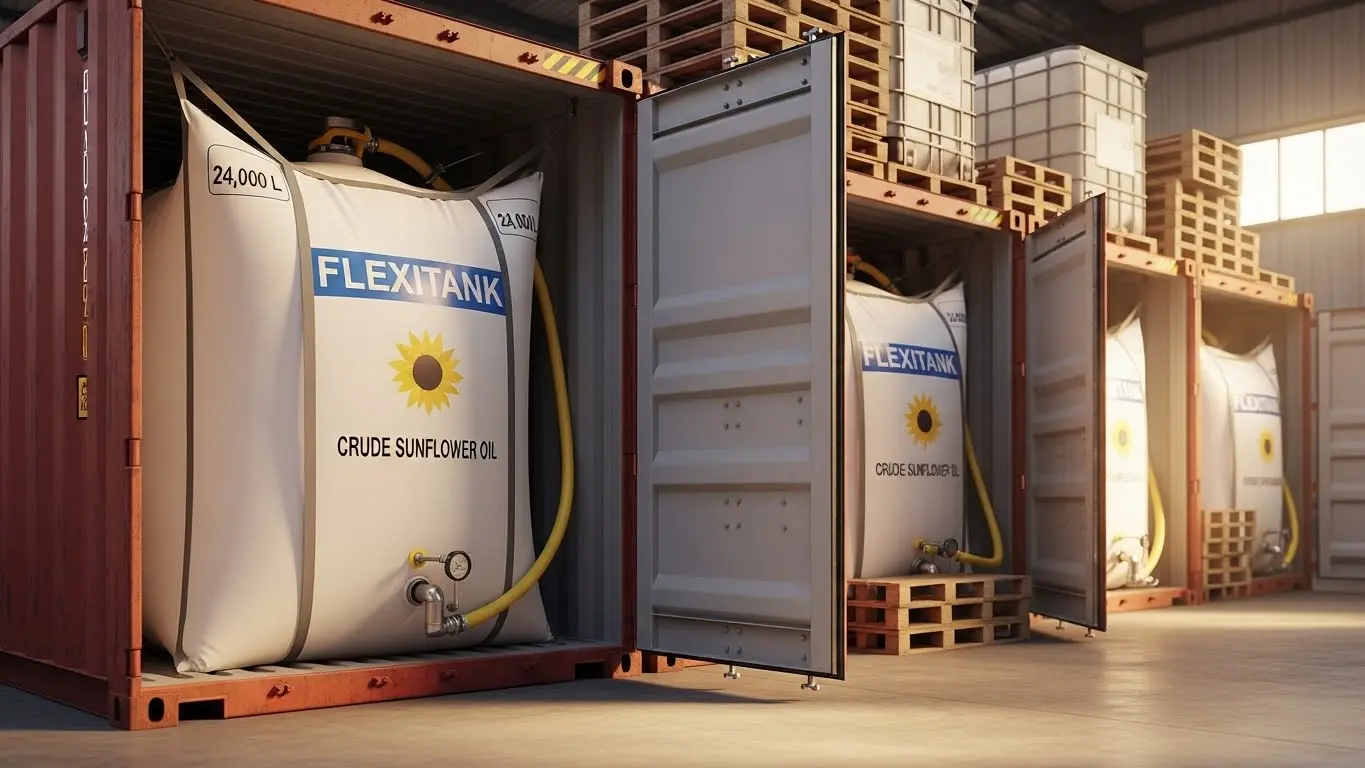
Flexitank Loading
Review liner specification, container condition, filling control, route, insurance and discharge capability.
Storage & Loading Coordination
Confirm tank condition, segregation, temperature, sampling, seals, quantity and loading records.
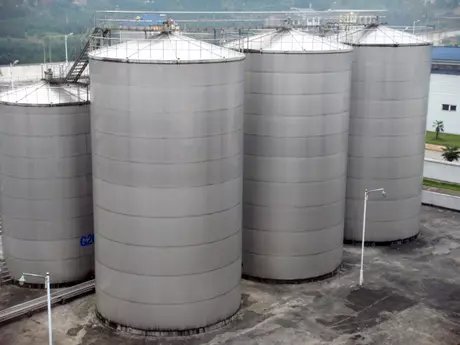
Tank Storage
Storage capacity, segregation and tank identity must be connected to the proposed product and shipment.
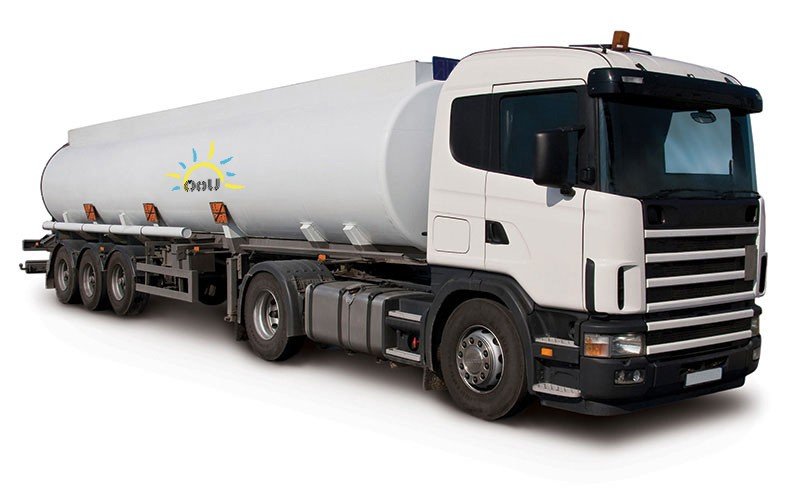
Road Tanker Delivery
Available where the route, compartment hygiene, loading point and receiving infrastructure are suitable.
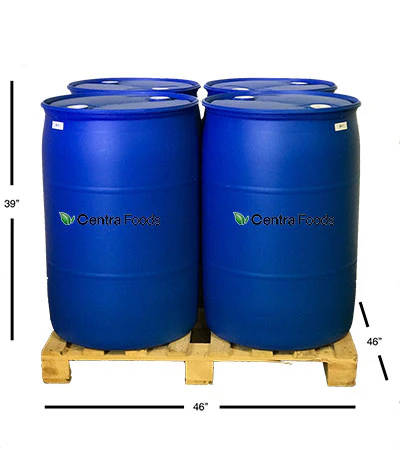
Drums or IBCs
May be considered for suitable quantities, buyers and routes, subject to facility confirmation.
Quality, Batch Evidence & Documents
Build the technical and documentary file before payment and loading
Industrial buyers need evidence that connects the seller, producer or loading facility, specification, batch, quantity, transport unit and shipment documents.
Order-specific evidence is more valuable than generic certificate logos
Current documentation should be checked for the actual legal entity, facility, product, activity, issuer, validity period and proposed shipment.
Product Specification
Define parameters, test methods, intended refinery use and acceptance criteria.
Batch Certificate of Analysis
Ensure results correspond to the actual lot proposed for shipment.
Origin & Traceability
Confirm country of origin, product identity, batch references and available chain-of-custody information.
Facility Documents
Verify the entity, location, activity, scope, issuer, certificate number and validity dates.
Loading Records
Review tank or liner details, seals, quantity, sampling and loading condition.
Shipment Documents
Align commercial, transport, origin, analysis and destination documents with the same product.
Ukraine-Based Worldwide Export Supply
Crude sunflower oil export for Europe, the UK and worldwide destinations
Inter Oliya is based in Ukraine and reviews export enquiries by destination, route, volume, loading format, import requirements and current logistics feasibility.
European Union
Supply planning for EU refineries and importers, subject to destination rules, route and commercial terms.
United Kingdom
Destination-based quotation and document review for UK industrial buyers and importers.
Middle East & Africa
Bulk export enquiries reviewed against port, route, loading, discharge and import-document requirements.
Asia & Global Markets
Worldwide enquiries considered where volume, logistics, payment and destination compliance are workable.
Quotation & Export Workflow
From industrial enquiry to controlled bulk shipment
Complete product, quantity, destination and refinery information allows a more accurate supply, loading and logistics review.
Submit the Requirement
Provide company, refinery use, specification, quantity, loading preference, destination and target date.
Product & Facility Review
Availability, origin, producer or loading facility, batch basis and route are reviewed.
Specification Review
The buyer compares the offered product parameters with refinery and import requirements.
Written Quotation
The offer states price, validity, Incoterm, named place, lead time, documents and exclusions.
Commercial Approval
Specification, payment, inspection, loading and claims requirements are confirmed.
Allocation & Loading
The agreed oil is allocated, sampled and loaded into the confirmed transport format.
Document Control
Invoice, analysis, origin, transport and destination documents are aligned with the shipment.
Dispatch & Delivery
The shipment proceeds according to the agreed Incoterm and named place.
MOQ & Crude Oil Pricing
Crude sunflower oil orders from 10 metric tonnes
Crude sunflower oil prices change with commodity markets, batch quality, volume, route, loading format and Incoterm. The displayed value is an indicative starting point.
Batch Specification
Acidity, moisture, impurities, phosphorus, oxidation and identity influence refinery value.
Quantity & Loading
Net volume, tank or liner, loading efficiency and expected order schedule affect cost.
Destination & Incoterm
Freight, insurance, terminal costs, customs and inland delivery depend on the named trade term.
Testing & Documents
Special analysis, inspection and destination documentation may affect cost and lead time.
Industrial Buyer Due Diligence
What to verify before purchasing crude sunflower oil
The transaction should connect the legal seller, actual product source, batch, loading facility, transport unit, documents, payment beneficiary and delivery responsibilities.
Legal Seller
Verify the registered company, status, authorized representative and contract consistency.
Producer or Loading Facility
Confirm the actual source, storage or loading point and its relationship to the seller.
Refinery Suitability
Have the technical team approve the actual specification before commercial commitment.
Batch Analysis
Ensure the Certificate of Analysis corresponds to the lot proposed for shipment.
Tank, Liner & Loading
Verify suitability, cleaning, seals, quantity, sampling and loading records.
Current Document Scope
Check entity, facility, product, activity, issuer, number and validity dates.
Incoterm & Landed Cost
Confirm the named place and identify freight, insurance, customs, duties and destination charges.
Payment & Claims
Verify the beneficiary account and agree inspection, rejection, replacement and claim procedures.
Crude Sunflower Oil FAQ
Questions from refineries, importers and industrial buyers
These answers summarize the general supply structure. The approved specification, quotation, batch evidence and contract govern the actual order.
What is crude sunflower oil used for?
Crude sunflower oil is mainly used as a raw material by edible-oil refineries and industrial processors for further degumming, refining, bleaching, dewaxing, deodorization and finished-oil production.
What is the minimum order quantity?
The minimum commercial order is 10 metric tonnes for qualifying European, UK and worldwide export enquiries. Practical loading quantities depend on the facility, transport format and route.
What is the indicative crude sunflower oil price?
Indicative pricing starts from €910 per metric tonne for eligible configurations. Final pricing depends on batch specification, quantity, loading format, destination, freight, Incoterm and market conditions.
Which parameters should a refinery check?
Common checks include origin, extraction basis, acid value or free fatty acids, moisture, insoluble impurities, phosphorus, peroxide value, fatty-acid composition, contaminants and storage condition.
Is crude sunflower oil ready for direct cooking or retail sale?
No. Crude sunflower oil is an unrefined raw material intended for qualified industrial buyers that can complete the required refining and finished-product release process.
Which loading formats may be available?
Potential options include ISO tanks, flexitanks, road tankers and, for suitable orders, drums or IBCs. Availability depends on product, quantity, loading facility, route and receiving infrastructure.
Do you ship crude sunflower oil to Europe and the UK?
Inter Oliya is based in Ukraine and reviews export enquiries for the European Union, the United Kingdom and worldwide destinations, subject to current availability, route, import requirements and commercial terms.
Which documents may support the shipment?
The document package may include commercial, packing, transport, origin, analysis and destination-specific documents as confirmed for the product, facility, batch and route.
What is the shelf life of crude sunflower oil?
Shelf life depends on the batch specification, oxidation status, storage conditions, tank condition and intended processing schedule. The applicable period must be confirmed in the written offer.
What information is required for an accurate quotation?
Provide the company name, refinery or industrial use, required specification, quantity, loading preference, destination, preferred Incoterm, target date and any inspection, testing or import-document requirements.
Ukraine-Origin Crude Sunflower Oil Export
Request a quotation for your refinery specification and destination
Send the required crude-oil parameters, quantity, loading format, destination, Incoterm and verification requirements for a commercially relevant supply review.