
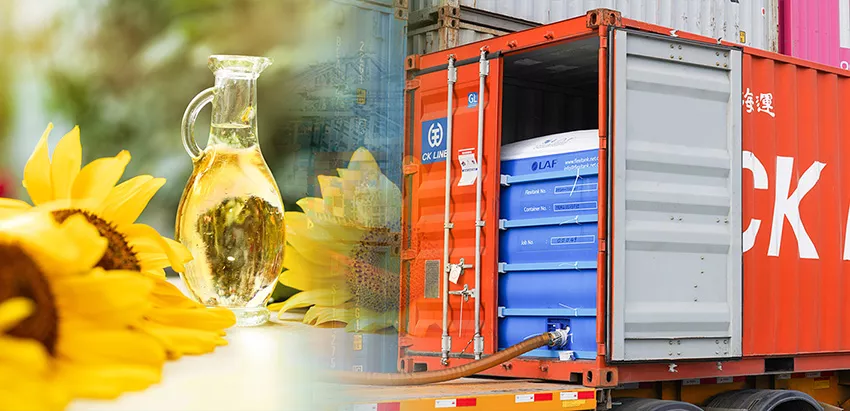
Bulk Tanks, Warehouse Handling & Dispatch Readiness
Sunflower Oil Storage, Warehouse Handling & Loading Controls
Review the operational controls used to protect bulk and packaged sunflower oil before shipment. This buyer guide covers storage risks, tank and line suitability, cleaning, segregation, pallet handling, stock status, traceability, loading checks and the evidence importers and manufacturers should request.
- Bulk + PackagedTanks, containers, cartons and pallets
- Clean + DryStorage and transfer systems before use
- Lot ControlledIdentity, status, traceability and release
- Dispatch ReadyLoading, seals, counts and document checks
Inter Oliya coordinates supply and buyer verification. The actual storage, warehouse, packing or loading facility may be a separate operator confirmed for the order.
Control Air, Water & Contamination
Storage design and operation should protect oil quality and identity.
Protect Packs & Pallets
Damage, pests, mix-ups and uncontrolled status must be prevented.
Know Every Lot and Location
Tank, pallet, batch and stock status should remain visible and reconciled.
Verify Records, Not Images
Cleaning, inspection, stock, loading and release records support due diligence.
Direct Buyer Answer
What does sunflower oil storage and warehouse control include?
Storage control covers the period between product receipt or production and its transfer, packing, loading or dispatch. For bulk oil, the focus is on tanks, lines, pumps, valves, cleanliness, dryness, segregation, temperature and previous-cargo risk.
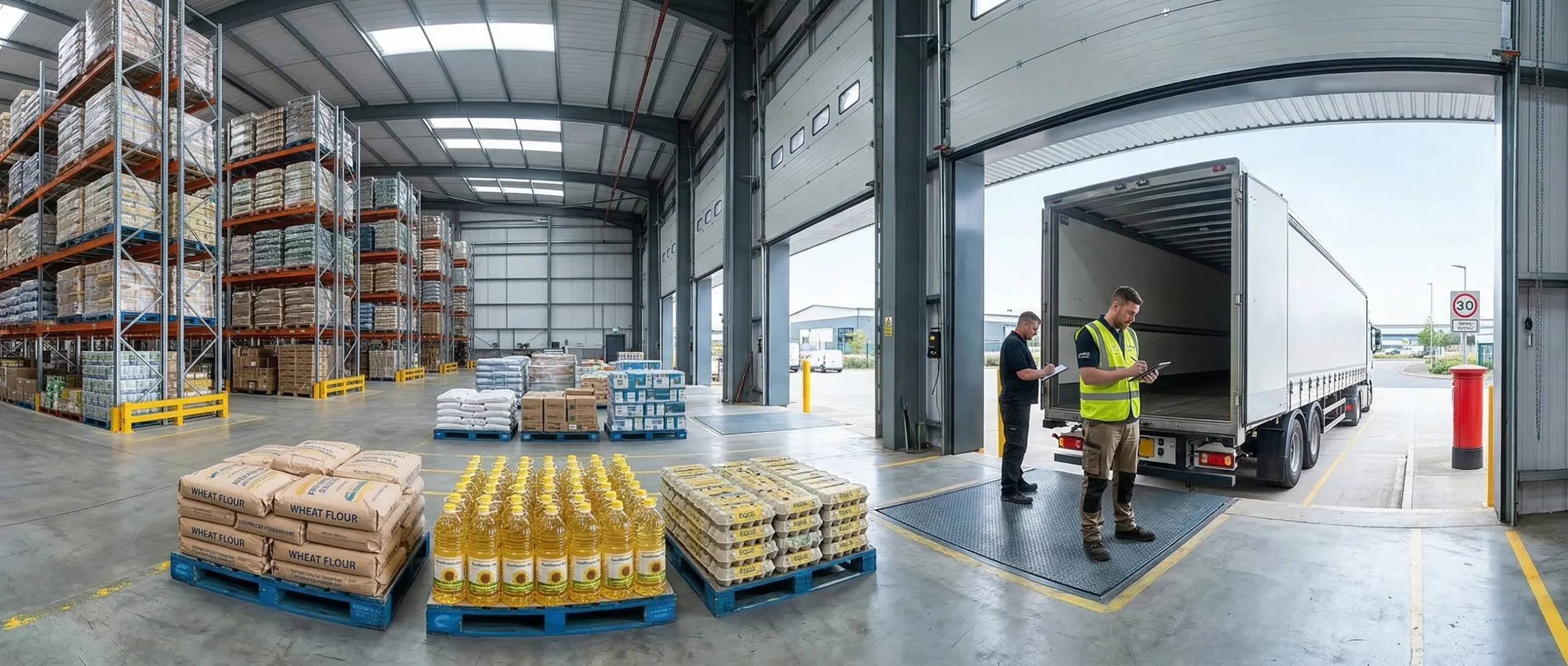
For bottled or packaged oil, warehouse control focuses on packaging condition, pallet stability, pest prevention, lot identity, stock rotation, status segregation, loading counts and protection against damage or mix-up.
Storage is not the same as international freight execution. This page examines how the product is protected and prepared before handover. Export Logistics covers carrier coordination, shipment execution and international movement.
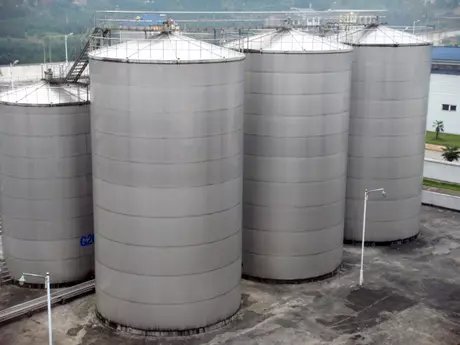
A tank image does not prove food-contact suitability, cleanliness, previous cargo or connection to the proposed order.
Three Core Deterioration Risks
Oxidation, hydrolysis and contamination must be controlled
The control plan should reflect whether the oil is crude or refined, stored in bulk or packaged, and how long it remains before transfer or dispatch.
Oxidation
Exposure to oxygen and unnecessary heat can downgrade oil quality.
- Reduce avoidable air contact
- Use the lowest practicable temperature
- Protect tanks and packs from excessive heat
- Exclude copper and copper alloys from contact
Hydrolysis
Water can promote the breakdown of oil, particularly when heat is also present.
- Keep tanks and lines clean and dry
- Control condensation and water ingress
- Drain and dry after wet cleaning
- Inspect covers, seals and low points
Contamination
Previous cargo, residues, dirt, foreign material or product mix-up can compromise the order.
- Review previous cargo and cleaning history
- Segregate oils, grades and statuses
- Inspect valves, lines, hoses and pumps
- Use controlled sampling and sealed access
Bulk Sunflower Oil Storage Systems
Tank, line and transfer controls buyers should verify
These controls apply to bulk-storage due diligence. The actual facility design, approved materials and operating procedures must be reviewed for the proposed order.
The storage system is more than the tank
Product contact extends through pipelines, hoses, pumps, valves, seals, heating equipment, filters and sampling tools. A suitable tank can still be compromised by an unsuitable line or uncontrolled transfer.
Tank Identification
Use unique tank references connected to product, grade, batch, quantity and release status.
Food-Contact Materials
Verify tank, coating, line, gasket, hose, pump and sampling-material suitability.
Cleaning & Dryness
Review cleaning method, chemical control, inspection, drainage and complete drying before use.
Product Segregation
Prevent mixing between crude, partly processed, refined, high oleic, claim-controlled or non-food products.
Temperature Control
Minimize unnecessary heating and define any storage or transfer temperature in the approved specification.
Access & Seals
Control manways, inlets, outlets, vents, drain points, seals and access authorization.
Sampling
Use clean, suitable equipment and record sample point, time, tank, lot, seal and custodian.
Maintenance & Inspection
Review coating condition, corrosion, leaks, calibration, repairs and release after maintenance.
Operational Control Matrix
Storage-stage risks, controls and buyer evidence
This matrix is a due-diligence framework, not a substitute for the facility’s HACCP, storage procedure or approved work instructions.
| Stage | Main risk | Control focus | Buyer evidence |
|---|---|---|---|
| Tank allocation | Wrong product, grade, claim or status | Tank identity, compatibility, segregation and capacity check | Tank map, allocation record and stock-status report |
| Pre-use inspection | Residue, corrosion, damage, water or foreign material | Visual inspection, cleanliness, dryness and coating condition | Pre-use checklist, photographs where appropriate and release signature |
| Product receipt | Wrong oil, contaminated delivery or quantity variance | Document, seal, sample, quantity and intake acceptance checks | Receipt record, COA, seal log and intake test results |
| Bulk storage | Oxidation, water ingress, contamination or mix-up | Closed system, suitable temperature, sealed access and identified status | Tank log, temperature record, inspection and inventory record |
| Transfer between tanks | Cross-contamination, wrong line or loss of identity | Line clearance, route verification, controlled valves and reconciliation | Transfer instruction, line-clearance record and mass balance |
| Packaged storage | Damage, pests, mix-up, unstable pallets or expired status | Segregation, protection, stock rotation and pallet inspection | Warehouse inspection, pest record, stock report and damage log |
| Loading preparation | Unsuitable vehicle, container, tank or previous cargo | Condition, cleanliness, suitability, route, seals and load plan | Vehicle/container checklist, cleaning evidence and loading instruction |
| Dispatch | Wrong quantity, lot, document or destination | Count, weight, lot, seal, documents and release reconciliation | Dispatch checklist, packing list, seal record and release authorization |
Bottled, Cartoned & Palletized Oil
Warehouse handling controls for packaged sunflower oil
Packaged product requires different controls from bulk oil. The priority is protecting the container, label, carton, pallet, lot identity and release status.
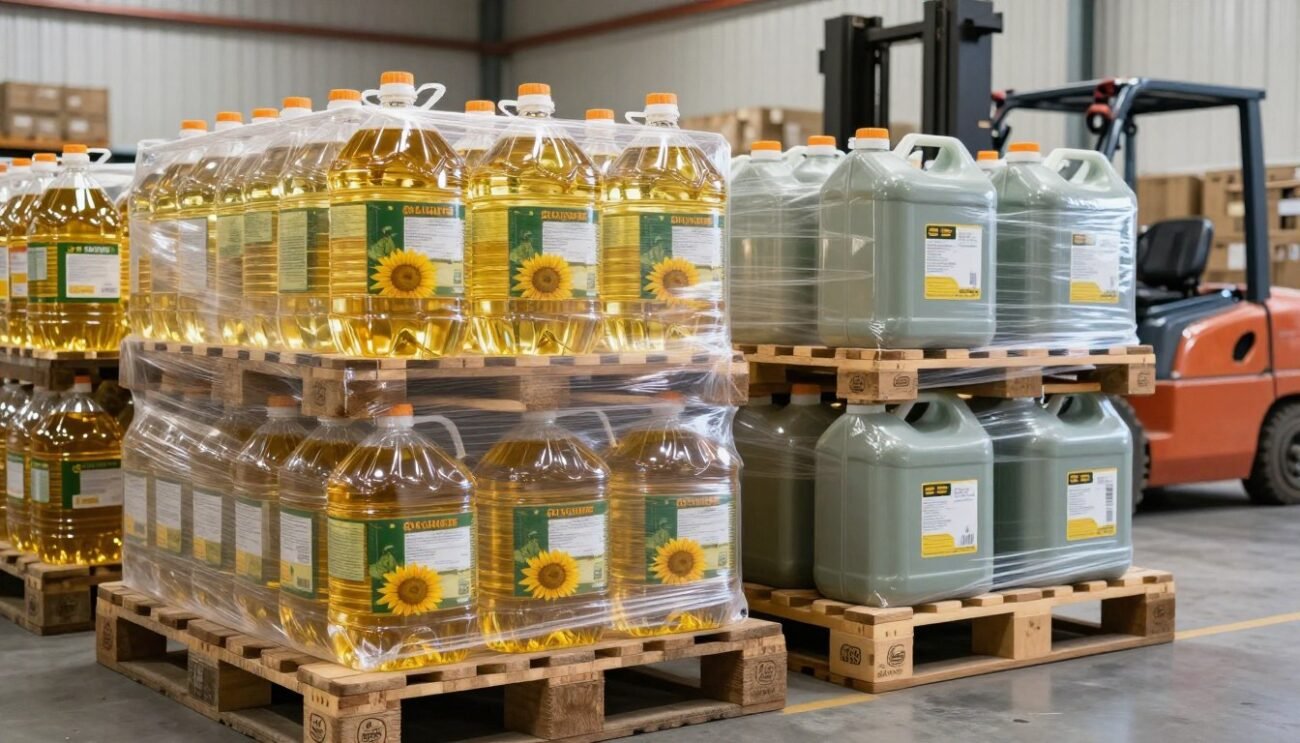
Bottles, Closures & Cartons
Inspect leakage, crushing, contamination, label damage, coding, closure integrity and carton condition.
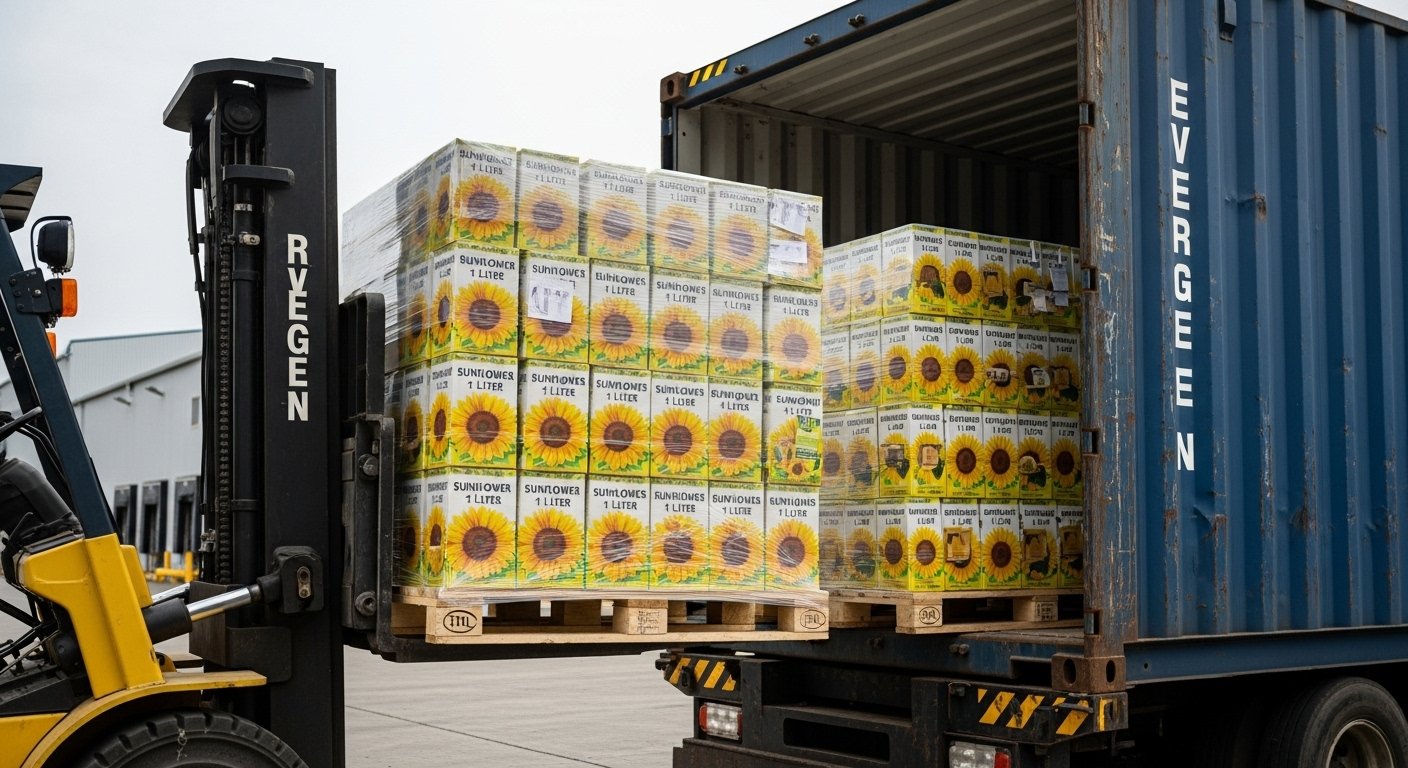
Stacking & Load Stability
Verify pallet condition, stacking pattern, stretch wrap, corner protection, overhang and safe movement.
Released, Held & Nonconforming Stock
Physically or electronically segregate stock so unapproved product cannot be loaded or dispatched.
FIFO or FEFO Control
Apply the approved rotation method using production date, expiry or best-before date and customer requirements.
Heat, Light, Moisture & Pests
Protect packs from direct heat, sunlight, water, condensation, pests, chemicals and incompatible materials.
Forklift & Handling Damage
Use trained handling, suitable equipment, controlled aisles and damage reporting to protect packages and pallets.
Inventory, Lot Status & Traceability
The buyer should be able to connect product, location, status and documents
Traceability should continue through storage, transfer, packing, loading and dispatch.
Unique Lot Identity
Link tank, package, pallet and shipment references to the correct production or intake lot.
Location Control
Know where every tank, pallet or held quantity is physically or electronically assigned.
Quality Status
Distinguish quarantined, under-test, released, rejected, returned and rework stock.
Quantity Reconciliation
Compare opening stock, receipts, transfers, losses, packed quantity and dispatched quantity.
Seal Control
Record seal numbers and any break, replacement or discrepancy during storage and loading.
Sample Traceability
Identify sample source, time, lot, container, seal, laboratory and retained-sample location.
Document Linkage
Connect the specification, COA, packing list, loading record and shipment documents.
Recall Readiness
Maintain records that support rapid identification of affected stock and customers.
Storage-to-Loading Handover
Eight controls before a sunflower oil order leaves storage
Dispatch readiness means that the product, transport unit, quantity, seals and documents agree before the shipment is released.
Confirm Released Stock
Verify the correct product, lot, quantity and quality-release status.
Check Transport Unit
Inspect the vehicle, container, flexitank, tanker or loading equipment for suitability.
Review Previous Cargo
For bulk transport, confirm previous-cargo acceptability and cleaning evidence.
Verify Loading Plan
Confirm quantity, compartment, pallet, sequence, weight and destination instructions.
Control Loading
Monitor hoses, lines, valves, pallets, counts, damage and contamination risks.
Take Required Samples
Follow the agreed sampling plan and record sample and seal references.
Apply & Record Seals
Record container, door, valve, hatch or compartment seals as applicable.
Reconcile & Release
Match the load, quantity, lot, seals, packing list and transport documents.
Buyer Due-Diligence File
Storage and warehouse evidence to request before approval
The exact file depends on whether the order is bulk, bottled, private label or another format.
Facility Identity & Activity
Legal operator, address, approved activity and relationship to the proposed order.
Tank or Warehouse Scope
Storage type, capacity, products handled, segregation and receiving or loading capability.
Cleaning & Inspection Records
Recent tank, line, hose, vehicle, container or warehouse inspection evidence.
Food-Contact Suitability
Materials, coatings, liners, hoses, packaging and maintenance controls as applicable.
Previous-Cargo Evidence
Last cargo, cleaning certificate and acceptability review for tanker or bulk equipment.
Stock & Traceability Records
Lot, location, status, quantity, mass balance, pallet and dispatch linkage.
Storage Conditions
Temperature, environment, pest, moisture, security or alarm records where relevant.
Loading & Seal Records
Loading checklist, quantities, samples, seals, photographs and release authorization.
Deviation & Damage Records
Leaks, contamination, damaged packs, pest findings, mix-ups and corrective actions.
Product & Batch File
Approved specification, batch COA, shelf-life basis and quality-release documentation.
Clear Topical Ownership
Storage Logistics has a separate role from freight, packaging and quality pages
The site separates related topics so buyers and search engines can identify the page that answers each procurement question.
Storage & Warehouse Handling
Tanks, warehouse conditions, pallets, status, traceability, loading preparation and dispatch readiness.
Review this page’s control matrixExport Logistics
Carrier coordination, international freight, schedules, shipment execution and transport handover.
Explore export logisticsShipping Methods
Road, sea, rail, container, flexitank, tanker and multimodal transport comparison.
Compare shipping methodsDelivery Terms
FCA, FOB, CIF, DAP, DPU and DDP responsibility, cost and risk allocation.
Review delivery termsPackaging Solutions
Bottles, cartons, drums, IBCs, flexitanks, private label and pallet formats.
Explore packaging solutionsQuality Control
Specifications, COA, sampling, testing, inspection, traceability and product release.
Review quality controlCurrent Company Information
Verify Inter Oliya separately from the storage or loading facility
The legal seller and the operator handling the oil may be different entities. Both roles should be identified accurately.
Transparent commercial and operational roles
Inter Oliya is a registered Ukraine-based supply and trade company. The proposed producer, refinery, tank farm, warehouse, packing facility or loading point may be a separate legal operator identified in the quotation.
The registered office is provided for legal verification and is not presented as a tank farm, warehouse, refinery, packing plant or public collection point.
Buyers should verify the seller and payment beneficiary, then separately review the facility connected to the product, batch, package and shipment.
Sunflower Oil Storage FAQ
Questions from importers, manufacturers and distributors
The actual product specification, facility procedures and contract govern an order.
What does sunflower oil storage control include?
It includes tank or warehouse suitability, cleanliness, dryness, segregation, environmental control, lot identity, stock status, traceability, loading preparation and dispatch reconciliation.
What are the main risks during bulk edible-oil storage?
The main deterioration risks are oxidation, hydrolysis and contamination. The control plan should reflect the oil type, refining status, storage system and time before transfer.
Should sunflower oil storage tanks be clean and dry?
Yes. Tanks and transfer systems should be clean, dry, inspected and released before use. Water, residues and unsuitable cleaning can compromise oil quality.
Which materials are suitable for edible-oil storage?
Product-contact tanks, coatings, lines, pumps, seals and sampling equipment must be suitable for food contact. Copper and copper alloys should not contact edible oils.
Does sunflower oil need to be heated during storage?
Unnecessary heating should be avoided. Any storage or transfer temperature should be defined for the actual product, climate, equipment and buyer specification.
What controls apply to palletized sunflower oil?
Buyers should review bottle and carton condition, pallet stability, wrapping, stacking, lot coding, status segregation, stock rotation, pests, damage and loading counts.
Why is previous cargo important for tanker supply?
Residues from previous cargo can contaminate edible oil. Buyers should review the last cargo, tank or container suitability, cleaning evidence and inspection before loading.
Is this page the same as Export Logistics?
No. This page covers product protection, tanks, warehouse handling, traceability and dispatch readiness. Export Logistics covers freight execution and international shipment coordination.
Does Inter Oliya own the storage facilities shown?
This page does not claim ownership of every tank farm or warehouse shown. The actual storage, packing or loading facility is identified and reviewed for the proposed order.
What storage documents should a buyer request?
Request facility scope, cleaning and inspection records, food-contact evidence, stock and traceability records, storage conditions, loading and seal records, deviations and the product and batch file.
Order-Specific Storage & Dispatch Verification
Request the product, facility and loading information for your order
Submit the product, quantity, packaging, destination, storage or receiving requirements and required documents for a commercial supply review.