
Food-Safety Hazard Control for Edible-Oil Buyers
HACCP for Sunflower Oil Production, Storage & Packaging
This buyer guide explains how Hazard Analysis and Critical Control Point principles apply to sunflower oil production and handling. Review Good Hygiene Practices, hazard analysis, critical controls, monitoring, corrective actions, verification and records before approving a producer, refinery, packing facility or export supply.
- 7 Principles Codex hazard-control framework
- 12 Steps Team, flow, analysis, control and records
- Facility Specific CCPs cannot be copied from a generic webpage
- Evidence First Plans, records, verification and batch linkage
This page does not claim that Inter Oliya itself holds a current HACCP certificate. Applicable evidence must match the actual facility and product proposed in the quotation.
GHP Before HACCP
Cleaning, pest control, maintenance, hygiene and operational controls must work first.
One Process, One Hazard Study
The approved plan must reflect the actual products, equipment, people and flow.
Records, Not Only a Badge
Monitoring, deviations, calibration, verification and traceability show implementation.
Verify Holder & Validity
A current facility document must match the legal holder, site, scope and dates.
Direct Buyer Answer
What does HACCP mean for sunflower oil production?
HACCP is a systematic, science-based method for identifying significant food-safety hazards and controlling them at points where prevention, elimination or reduction to an acceptable level is essential.
For sunflower oil, the study must reflect the actual operation: crude-oil intake, refining, filtration, storage, transfer, bottling, packaging, warehousing or bulk loading. The relevant hazards and control measures differ between a refinery, bottling site, tank farm and warehouse.
HACCP focuses on significant biological, chemical and physical hazards rather than relying only on finished-product testing. It works together with prerequisite programmes, product specifications, batch analysis, traceability and recall controls.
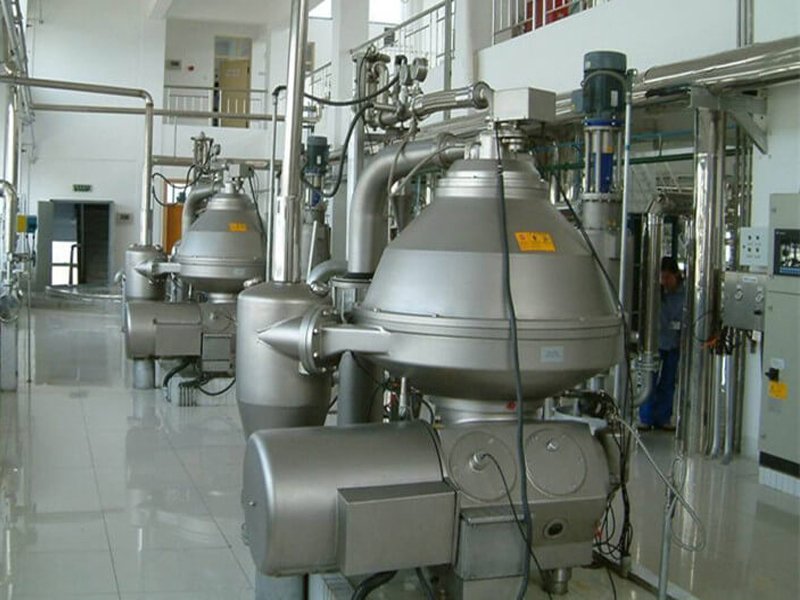
A generic plan or certificate image cannot prove controls at a different facility or production line.
Current Public Document Position
How HACCP evidence is presented on this website
The page separates food-safety education from certification claims to prevent buyers from relying on expired, altered, mismatched or facility-irrelevant documents.
No universal Inter Oliya HACCP claim
Inter Oliya is a registered supply and trade company. HACCP implementation belongs to the producer, refinery, packing facility, warehouse or loading operation carrying out the relevant food activity.
A current certificate or audit statement may support due diligence only when its legal holder, facility address, activity, product scope, issuer, number and validity match the proposed order.
Qualified buyers should request facility-specific evidence after the product and proposed operating site have been identified in the quotation.
Good Hygiene Practices Before HACCP
Prerequisite programmes create the operating foundation
HACCP should not be used to compensate for weak cleaning, maintenance, pest control, personal hygiene or supplier management.
Facility & Equipment Design
Food-contact surfaces, drainage, access, zoning and equipment should support hygienic operation.
Cleaning & Sanitation
Validated procedures, chemicals, concentrations, frequencies, inspections and records are needed.
Pest Control
Prevention, monitoring, contractor reports, corrective actions and chemical control must be documented.
Personnel Hygiene
Health, clothing, hand hygiene, visitor rules, behaviour and training reduce contamination risks.
Supplier & Intake Controls
Approved sources, specifications, transport history, sampling and acceptance criteria protect inputs.
Maintenance & Calibration
Preventive maintenance and calibrated instruments support reliable processing and monitoring.
Storage & Segregation
Tanks, lines, packaging materials, chemicals and nonconforming product require controlled identification.
Traceability & Recall
Lot coding, mass balance, dispatch records and tested recall procedures support rapid action.
Codex HACCP Framework
The seven HACCP principles for sunflower-oil operations
The facility applies these principles to its own process after assembling the team, describing the product and confirming the process flow.
Conduct Hazard Analysis
Identify significant biological, chemical and physical hazards and suitable control measures.
Determine Critical Control Points
Identify stages where essential control is required to manage a significant hazard.
Establish Critical Limits
Set validated measurable or observable boundaries separating acceptable from unacceptable control.
Establish Monitoring
Define what is checked, how, when, by whom and how the result is recorded.
Establish Corrective Actions
Control affected product, restore process control, investigate cause and prevent recurrence.
Validate & Verify
Confirm controls are capable, the plan is followed and the system remains effective.
Document & Keep Records
Maintain the plan, monitoring, deviations, verification, training and review evidence.
From Team Formation to Record Keeping
The 12-step HACCP application sequence
The seven principles are implemented through preparatory work and a structured application sequence recognized by Codex and FAO.
Three phases of a facility-specific HACCP study
Preparation defines the operation. Analysis decides which hazards are significant. Control design establishes limits, monitoring, action, verification and records.
Assemble the HACCP Team
Include process, engineering, quality, production and food-safety competence.
Describe the Product
Define oil type, processing, packaging, shelf life, storage and distribution.
Identify Intended Use
Clarify refinery use, manufacturing, foodservice, retail and vulnerable users where relevant.
Construct the Flow Diagram
Map every input, process, transfer, rework, storage, packaging and dispatch stage.
Confirm Flow On Site
Verify the diagram against actual practices, shifts, equipment and alternative routes.
Conduct Hazard Analysis
Assess hazards, severity, likelihood and preventive controls at each step.
Determine CCPs
Use a documented decision approach to identify essential control points.
Establish & Validate Limits
Support each limit with legislation, science, studies, equipment capability or expert evidence.
Establish Monitoring
Define method, frequency, responsibility, record and action when a trend approaches failure.
Establish Corrective Action
Restore control, identify affected product, investigate cause and document disposition.
Validate & Verify
Use review, observation, calibration, testing, audits and trend analysis.
Document & Retain Records
Keep current plans and evidence appropriate to the operation and product life cycle.
Sunflower-Oil Hazard Map
Hazards buyers expect the facility to evaluate
These are due-diligence categories, not a predetermined HACCP plan. The facility must assess significance using its own raw materials, process, equipment and intended use.
Microbial Contamination & Growth
Edible oil does not support growth like high-moisture foods, but contamination risks still require assessment.
- Water, condensation and wet cleaning
- Personnel and environmental contamination
- Packaging and closure hygiene
- Contaminated rework or contact surfaces
Residues, Process Chemicals & Contaminants
The hazard study should evaluate relevant raw-material and process-related chemical risks.
- Pesticide or contaminant residues
- Cleaning and maintenance chemicals
- Lubricants and heat-transfer fluids
- Refining aids and process residues
Foreign Materials
Controls may be required for materials introduced through equipment, packaging or handling.
- Metal fragments
- Glass or brittle plastic
- Gasket, seal or hose fragments
- Packaging and closure defects
Shared Lines & Previous Product
Facilities handling other oils, allergens or products should assess line-clearance and cleaning risks.
- Previous tank or line contents
- Shared filling equipment
- Rework and changeover controls
- Label or product mix-ups
Food-Contact Materials & Closure Integrity
Bottles, caps, liners, drums, IBCs, flexitanks and tanker surfaces require controlled suitability.
- Food-contact declarations
- Seal and tamper integrity
- Cleanliness and previous cargo
- Migration or compatibility concerns
Identification, Traceability & Release
Wrong product, unapproved status or premature release can create food-safety and compliance risks.
- Tank and lot identification
- Label and coding verification
- Hold-and-release control
- Document-to-shipment reconciliation
Illustrative Process-Control Review
What buyers may review at different sunflower-oil stages
The table shows possible review areas. It does not declare any stage to be a CCP; that determination belongs to the facility's hazard analysis.
| Operational stage | Possible hazards to evaluate | Examples of controls or evidence | Buyer documents |
|---|---|---|---|
| Raw material or crude-oil intake | Contaminants, wrong identity, transport history, foreign material | Approved supplier, specification, sampling, intake checks, previous-cargo review | Supplier approval, intake record, COA, transport-cleanliness evidence |
| Storage tanks and transfer lines | Cross-contact, residues, water, wrong tank, maintenance contamination | Tank identification, cleaning, line clearance, seals, inspection and maintenance | Tank map, cleaning records, transfer log, maintenance records |
| Refining or processing | Process-control failure, chemical residues, contamination or mix-up | Validated parameters, dosing controls, equipment monitoring and deviation response | Process records, calibration, corrective action and verification |
| Filtration and final transfer | Foreign material, damaged media, contamination or wrong destination tank | Filter specification, inspection, integrity checks, line and tank verification | Filter-change log, transfer record and release checks |
| Bottling and closure | Foreign material, contaminated pack, incorrect fill, closure or product | Packaging approval, line clearance, fill checks, closure inspection and coding control | Packaging specification, line record, inspection and coding verification |
| Bulk loading | Previous cargo, unsuitable food-contact surface, contamination or quantity error | Cleaning certificate, visual inspection, seals, sample, load identity and quantity control | Tank or flexitank file, sampling record, seal and loading report |
| Warehouse and dispatch | Damage, mix-up, pest activity, temperature exposure or premature release | Segregation, stock status, pest control, FIFO/FEFO, dispatch verification | Warehouse inspection, release record, packing list and traceability |
HACCP Buyer Due Diligence
Documents and records to request before supplier approval
A current certificate may support the file, but implementation evidence shows whether the food-safety system is actually operating.
Facility Identity & Scope
Legal operator, address, food activity, product families and processes included.
HACCP Team & Competence
Roles, technical knowledge, training and external expertise where used.
Product Description & Intended Use
Oil type, processing, packaging, shelf life, storage and downstream use.
Verified Process Flow
Current flow diagram covering inputs, rework, storage, transfers, packing and dispatch.
Hazard Analysis
Hazards, significance method, control measures, justification and decision records.
CCPs & Critical Limits
Identified CCPs, validated limits and evidence supporting each decision.
Monitoring & Deviations
Recent records, missed checks, out-of-limit events, product control and corrective action.
Calibration & Maintenance
Instrument status, preventive maintenance, breakdown controls and repair release.
Verification & Review
Internal audits, record review, testing, observations, trend analysis and plan updates.
Traceability & Recall
Lot linkage, mass balance, mock recall results and corrective actions.
Prerequisite Programme Records
Cleaning, pests, hygiene, suppliers, chemicals, glass, waste and storage controls.
Current Certificate or Audit Report
Holder, site, scope, issuer, number, dates, findings and current status where applicable.
Practical Verification Steps
How to verify a supplier's HACCP claim in six steps
Move beyond a simple certificate review. Use this structured approach to confirm the facility's HACCP system is valid and applicable to your order.
Identify the operating facility
Confirm the legal operator, address, product scope and relevant food activity.
Request the current HACCP plan
Obtain the full plan, not a summary or generic template.
Review the verified process flow
Ensure the flow diagram matches the actual operation, equipment and product.
Check CCPs and critical limits
Verify that controls are specific to the facility's hazards and are scientifically supported.
Sample monitoring records
Review recent records to confirm checks are performed, deviations are handled, and corrective actions are documented.
Confirm verification & audit status
Request internal audit results, management review records and current third-party status where applicable.
Myths & Facts
Common misconceptions about HACCP certification
Understanding these distinctions helps buyers avoid costly errors in supplier evaluation.
| Myth | Fact |
|---|---|
| HACCP is just a certificate. | HACCP is a systematic food-safety approach. A certificate is optional third-party confirmation of implementation. |
| One HACCP plan fits all facilities. | Plans must be facility-specific, reflecting the actual products, equipment, process flow and hazards. |
| HACCP can be implemented without prerequisite programmes. | GHPs (cleaning, hygiene, pest control, maintenance) must be operational before HACCP can function effectively. |
| A generic flow diagram is acceptable. | Flow diagrams must be verified on-site and reflect the real operation, including rework and deviations. |
| CCPs are the same for every edible oil plant. | CCPs depend on the specific operation. Copying another facility's CCPs is invalid and dangerous. |
| A product COA proves HACCP compliance. | A COA reports batch test results; it does not demonstrate the design or operation of the HACCP system. |
Buyer's Verification Checklist
Twelve checks before accepting a HACCP claim
Confirm each element to ensure the evidence applies to your order and is current.
Legal Holder
Match the legal name and registration code to the operating organization.
Facility Address
Confirm all production, packing, storage or loading sites relevant to the order.
Product Scope
Match the certified or documented HACCP scope to the quoted sunflower-oil supply.
Process Flow Verification
Ensure the flow diagram is current and reflects the actual operation.
Hazard Analysis Completeness
Check that all significant hazards are identified with justified control measures.
CCP Determination
Verify that CCPs are correctly identified using a documented decision approach.
Critical Limits
Confirm limits are measurable, observable and validated for the specific process.
Monitoring System
Review the method, frequency, responsibility and recording system for each CCP.
Corrective Action
Check procedures for deviations, affected-product control and root-cause analysis.
Verification & Validation
Review validation studies, internal audits, calibration and trend analysis.
Documentation & Records
Ensure plans and records are current, complete and appropriate for the operation.
Current Status
Confirm certificate or audit validity, surveillance status and any suspension or withdrawal.
HACCP, ISO 22000, COA & Certification
These documents answer different buyer questions
One document should not be presented as a substitute for another.
HACCP Plan & Records
Show how the facility identifies and controls significant hazards in its actual process.
ISO 22000 System
Provides broader food-safety management-system requirements integrating HACCP principles and prerequisite programmes.
Certificate of Analysis
Reports test results for an identified product or batch; it does not prove the whole HACCP system.
Third-Party Certificate
Shows assessed conformity for a named holder, facility, scope and validity period.
HACCP Review by Product & Operation
Different sunflower-oil products require different process evidence
The food-safety review follows the actual product, facility and supply format.
Refined Sunflower Oil
Review the refining flow, final oil controls, storage, transfer, release and batch evidence.
Review refined sunflower oilCrude Sunflower Oil
Review intake, tank identity, contamination, loading, transport history and refinery-facing specifications.
Review crude sunflower oilBottled Sunflower Oil
Add bottle, closure, coding, packing-line, warehouse and finished-pack controls.
Review bottled sunflower oilPrivate-Label Supply
Add label approval, claims, line clearance, artwork control and finished-pack verification.
Review private-label supplyBulk Sunflower Oil
Review tanks, flexitanks, IBCs, drums, previous cargo, sampling, seals and loading records.
Review bulk supplyQuality Control
Review product specifications, analysis, inspection, traceability and shipment release.
Review quality controlBuyer Verification Workflow
From product enquiry to facility-specific HACCP evidence
The operating facility must be identified before a certificate or HACCP file can be treated as applicable.
Define the Product
Confirm oil type, quantity, packaging, intended use, destination and buyer standard.
Identify the Facility
Confirm the proposed producer, refinery, packer, warehouse or loading operation.
Request Scope Evidence
Obtain the facility identity, activity, product scope and current certificate or audit evidence.
Review HACCP Structure
Check the team, product, flow, hazard analysis, CCPs, limits and monitoring system.
Sample Implementation Records
Review monitoring, deviations, corrective actions, calibration, verification and training.
Connect Product & Batch
Match the specification, COA, traceability, packing or loading and shipment references.
Attach Requirements to Contract
State required documents, inspection, non-conformity and evidence obligations.
Reconfirm Before Dispatch
Verify current status and reconcile batch, quantity, facility and documents.
Current Company Information
Verify Inter Oliya separately from the operating facility
The legal seller and the HACCP-controlled food operation may be different entities. Both must be identified accurately.
Transparent commercial and operational roles
Inter Oliya is a registered Ukraine-based supply and trade company. The producer, refinery, packing facility, warehouse or loading site connected to a quotation may be a separate legal entity.
Buyers should verify the legal seller, authorized representative and payment beneficiary, then separately review the operating facility and food-safety evidence.
HACCP Sunflower Oil FAQ
Questions from importers, manufacturers and retail buyers
These answers explain the buyer-verification framework. The facility's approved HACCP plan, records and current documents govern the actual operation.
What does HACCP mean in sunflower oil production?
HACCP is a systematic approach for identifying significant food-safety hazards and controlling them through defined points, limits, monitoring, corrective action, verification and records.
Is Inter Oliya itself HACCP certified?
This page does not claim that Inter Oliya is the current HACCP certificate holder. Buyers should request current evidence for the actual producer, refinery, packing or loading facility proposed for the order.
Is HACCP a certificate or a food-safety system?
HACCP is a hazard-control system. A third party may audit or certify a facility's system, but the certificate must identify the holder, site, scope and validity.
What are the seven HACCP principles?
They cover hazard analysis, determination of critical control points, critical limits, monitoring, corrective actions, validation and verification, and documentation and record keeping.
Are CCPs the same for every sunflower oil facility?
No. CCPs depend on the facility's product, equipment, process flow, hazards, prerequisite programmes and control measures. Generic examples cannot replace the facility study.
What evidence should buyers request?
Request facility scope, HACCP plan structure, hazard analysis, CCP and limit evidence, monitoring records, deviations, verification, calibration, training, traceability and recall results.
Does a Certificate of Analysis prove HACCP compliance?
No. A COA provides results for an identified product or batch. It does not demonstrate the design and implementation of the facility's complete HACCP system.
How is HACCP related to ISO 22000?
ISO 22000 is a broader food-safety management-system standard that integrates HACCP principles, prerequisite programmes, communication and management-system requirements.
Do European food businesses use HACCP principles?
EU food-hygiene rules require food business operators to establish and maintain procedures based on HACCP principles, subject to the applicable legal scope and flexibility provisions.
When should HACCP documents be reviewed?
Review them during supplier qualification after the facility is identified, update the review when the product or process changes, and reconfirm current status before shipment where required.
Facility-Specific Food-Safety Verification
Request the sunflower oil product, facility and HACCP evidence file
Submit the product, quantity, packaging, destination and food-safety requirements so the applicable operating facility and documentation can be identified.