
Export freight planning
Sunflower Oil Shipping Methods for Bulk, Bottled & Private-Label Orders
Compare sea freight, European road freight, food-grade tanker transport, 20-foot flexitanks and palletized container shipping. The final route is confirmed against the actual product, loading point, destination, packaging and agreed Incoterm®.
Inter Oliya coordinates commercial supply and shipment planning. The producer, loading facility, carrier, route and document scope are identified for the proposed order before contracting.
Choose by cargo—not by guesswork
The right shipping method begins with the exact order
A useful sunflower oil freight plan must start with the oil grade, quantity, packaging, loading point, destination, receiving capability and requested delivery term. Bottled retail oil and bulk liquid oil require different equipment, loading controls and landed-cost calculations.
Inter Oliya reviews these variables before recommending a route. Availability, lead time and freight cost are confirmed in a written quotation rather than presented as a universal shipping promise.
- Product and batch specification
- Bulk or packaged format
- Loading point and destination
- Buyer unloading capability
- Named Incoterm® location
- Required shipment documents
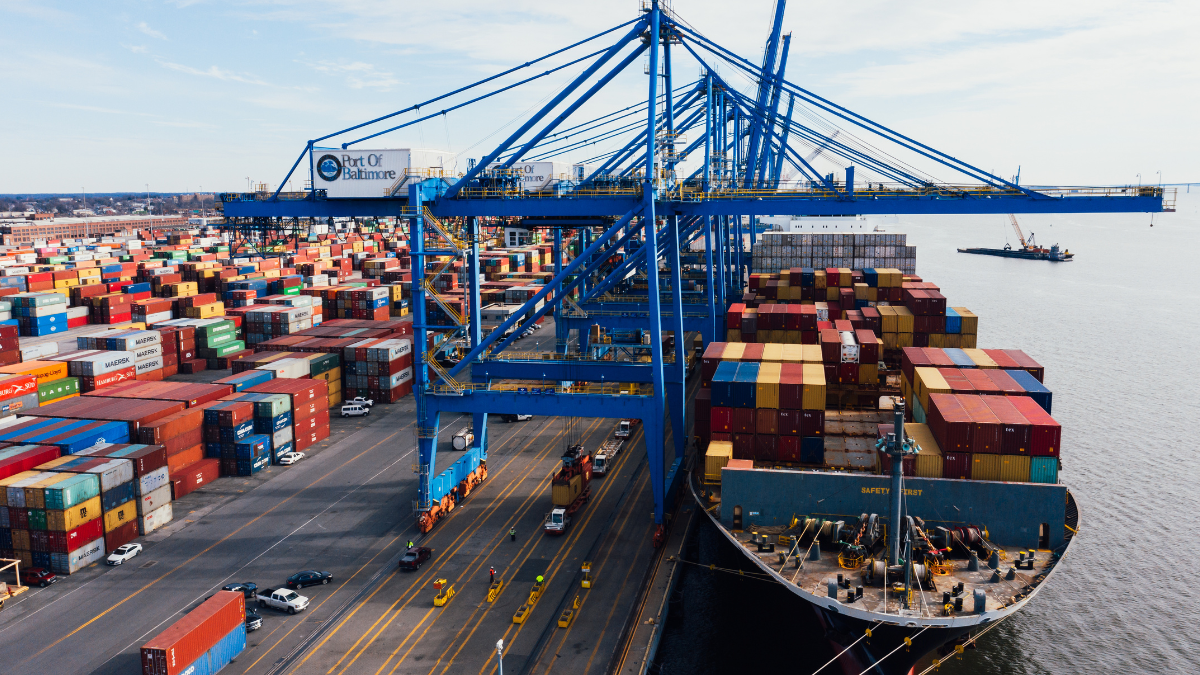
Route principle: the quotation should identify the named port, terminal, border point or delivery address—not only a three-letter trade term.
Primary transport options
Four practical sunflower oil shipping methods
The applicable option depends on the cargo format and real route. Equipment, payload, food-contact suitability and carrier acceptance are confirmed before booking.
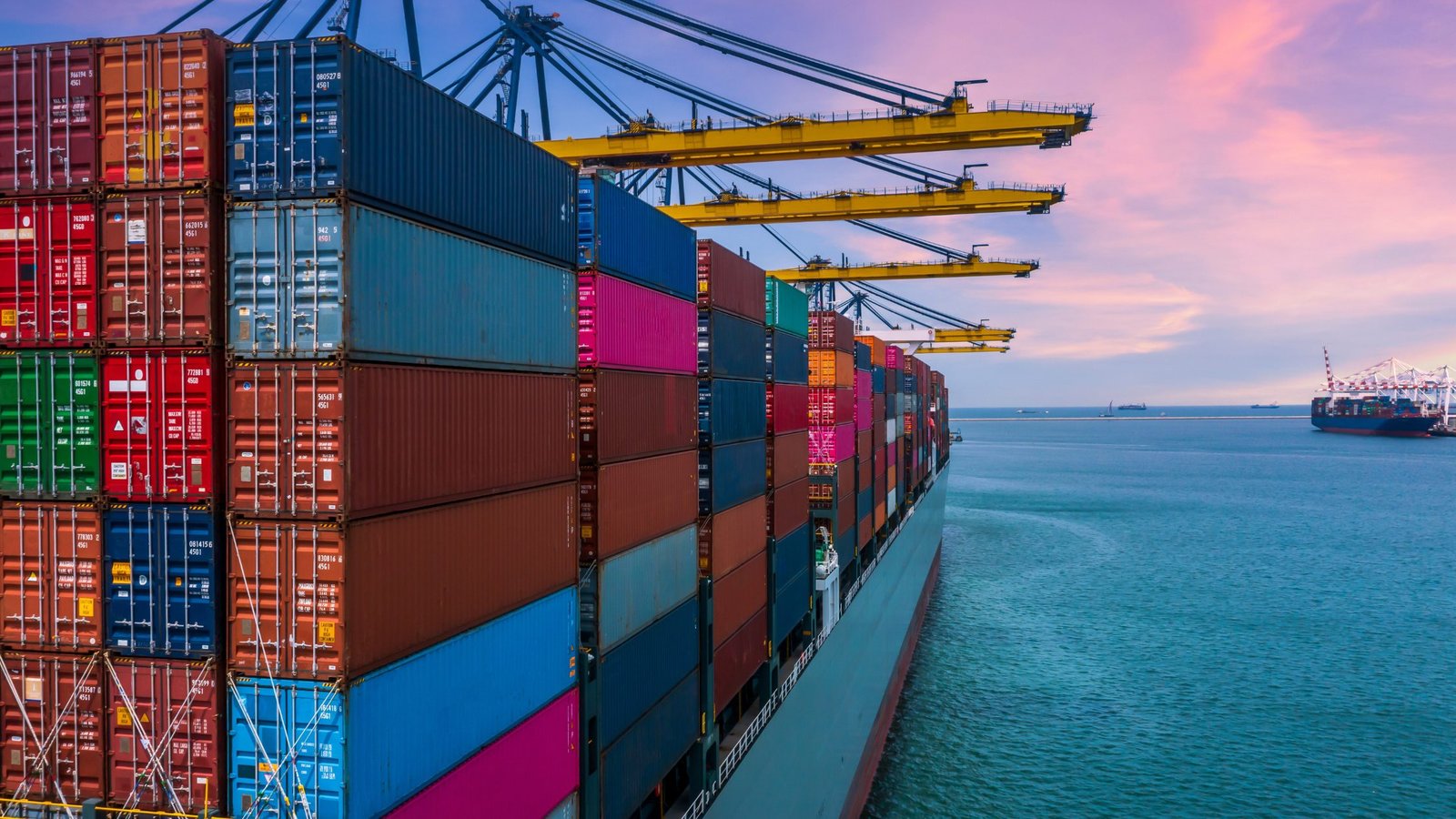
Sea Freight
Containerized sea freight supports long-distance shipments of palletized products and, where accepted, bulk liquid oil in a suitable flexitank.
- Port and sailing schedule confirmed
- Container payload and product format checked
- Bill of lading requirements agreed

Road Freight
Road transport may serve palletized bottled oil or food-grade tanker loads, subject to the agreed loading point, border route and delivery location.
- FTL or suitable consolidated load
- CMR transport document as applicable
- Delivery access and unloading checked
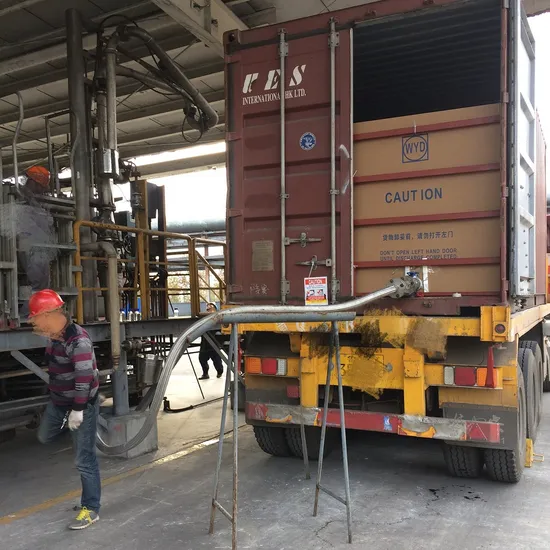
20-Foot Flexitank
A single-use flexitank installed in an accepted 20-foot dry container may suit bulk edible oil when product, liner, container, route and discharge arrangements are approved.
- Final capacity follows payload limits
- Food-contact documents reviewed
- Pump, hose and receiving tank confirmed
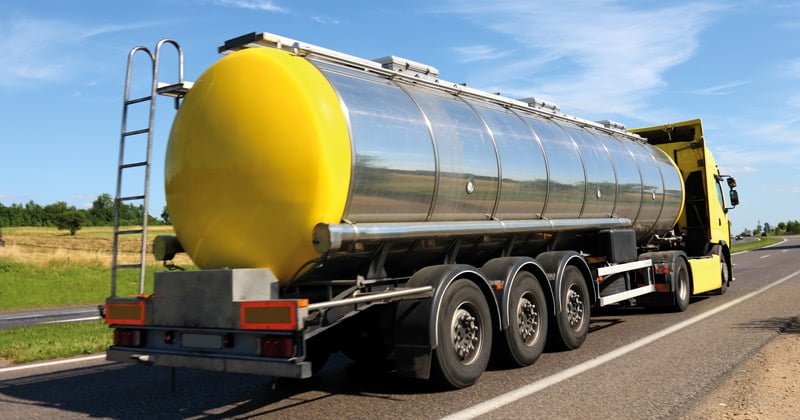
Food-Grade Tanker
Tanker transport can support bulk road delivery where loading, cleaning history, seals, compartment suitability and buyer discharge capability meet the order requirements.
- Previous cargo and cleaning verified
- Seal and compartment details recorded
- Temperature needs agreed if applicable
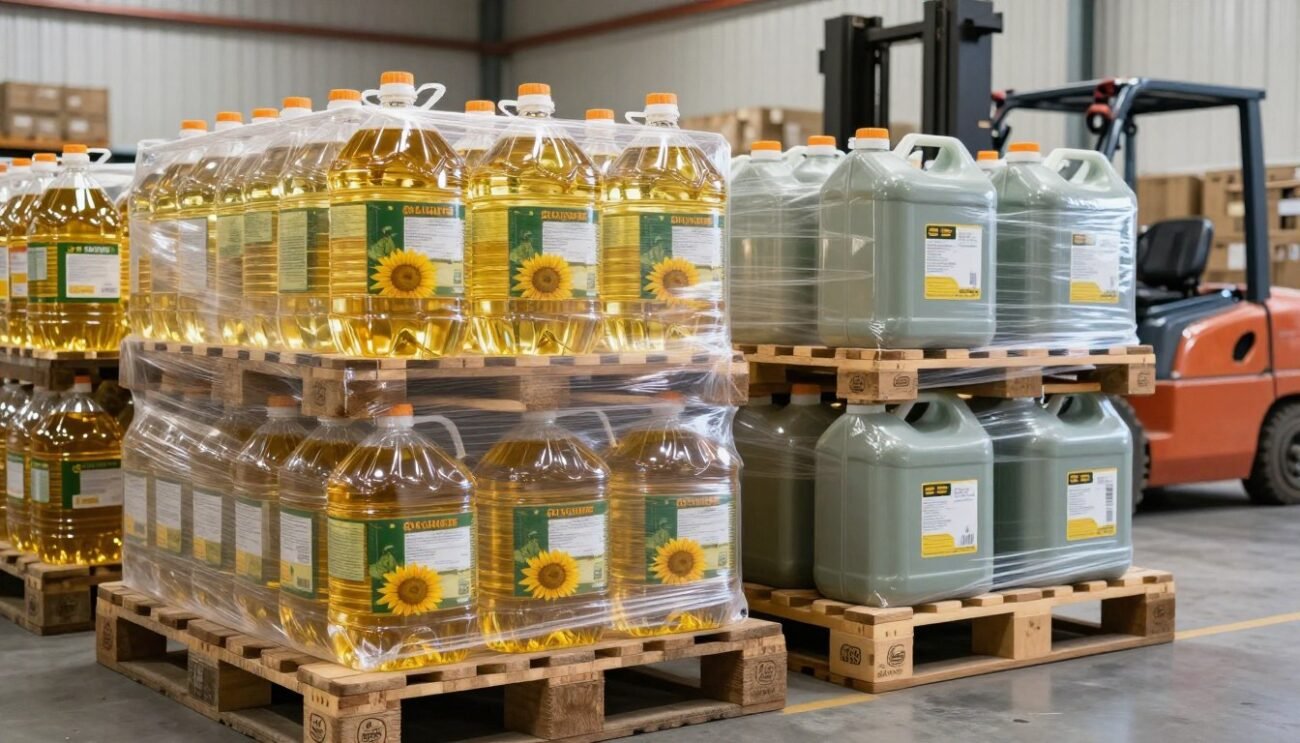
Palletized Shipping
Bottles, cartons and private-label products can be palletized for truck or container transport after the pack pattern, weights, dimensions and label requirements are approved.
- Carton and pallet pattern confirmed
- Stretch-wrap and load stability checked
- Retail markings matched to destination

Multimodal Transport
Road, rail and sea legs may be combined where the route and transfer points provide a workable commercial and compliance structure.
- Responsibility at transfers defined
- Transit and border requirements reviewed
- One route plan matched to the contract
Fast buyer orientation
Start with your product format
These are decision guides, not guaranteed loading configurations. The written quotation and approved packing or loading plan control the order.
Bottled or private-label oil
Usually evaluated: palletized road freight or dry-container sea freight. Confirm bottle size, cartons, pallet pattern, gross weight and destination labels.
Bulk liquid oil by sea
Usually evaluated: an approved 20-foot flexitank or other suitable bulk solution. Confirm product, payload, liner, carrier acceptance and discharge system.
Bulk liquid oil by road
Usually evaluated: food-grade tanker delivery. Confirm tank history, cleaning evidence, compartments, seals, hoses and receiving-tank access.
Comparison
Compare freight options before requesting pricing
| Method | Typical cargo | Useful when | Must be confirmed |
|---|---|---|---|
| Sea freight | Palletized or approved bulk configuration | Long-distance international routes | Port, sailing, payload, free time and destination charges |
| Road freight | Pallets, FTL or suitable tanker load | European and regional delivery | Border route, CMR, access, unloading and delivery slot |
| 20-foot flexitank | Bulk refined or crude oil | Containerized bulk liquid movement | Food-contact suitability, capacity, carrier and discharge plan |
| Food-grade tanker | Bulk liquid oil | Road-based industrial delivery | Previous cargo, cleaning, seals, compartments and hoses |
| Palletized shipping | Bottled, carton-packed or private-label oil | Retail, wholesale and foodservice distribution | Pack pattern, pallet size, gross weight, labels and load stability |
| Multimodal | Route-dependent cargo | Combined road, rail and sea movement | Transfer points, documents, custody and contractual responsibility |
Freight rates, transit times and equipment availability change by booking window and route. They are confirmed only in a dated written offer.
Commercial responsibility
Match the shipping method to the correct Incoterm® 2020 rule
Incoterms® rules allocate delivery, risk, cost and customs responsibilities. They do not replace the sales contract, product specification, payment terms or applicable law.
Any-mode rule often evaluated for containerized or road shipments at a precisely named place.
Sea or inland-waterway rule. Use only with an agreed named port of shipment.
Sea or inland-waterway rule covering carriage and specified insurance to a named destination port.
Any-mode rule to a named destination; buyer normally handles import clearance and unloading.
Seller import responsibility is extensive and is offered only where legally and operationally feasible.
Shipment workflow
From buyer brief to dispatch planning
Define the order
Confirm oil grade, intended use, quantity, packaging, destination and target date.
Review the route
Identify the proposed producer or loading point, equipment, route and receiving constraints.
Issue the quotation
State price, freight basis, named Incoterm® location, validity, inclusions and exclusions.
Approve and prepare
Approve specification, packing or loading plan, documents and dispatch requirements.
Document control
Documents should match the product, route and responsible parties
The applicable file depends on the origin, destination, transport mode, facility, product and contract. Availability must be confirmed for the actual order.
Route-based quotation
Request sunflower oil shipping pricing
Provide a complete buyer brief so the commercial team can evaluate the correct cargo format, route, delivery scope and documents.
Include these eight details
- Legal company name and buyer type
- Exact oil grade and intended use
- Required quantity and repeat volume
- Bulk, bottle, carton or private-label format
- Country plus named port or full delivery address
- Preferred Incoterm® and named location
- Target loading or delivery window
- Required certificates, testing and import documents
Buyer questions
Sunflower oil shipping FAQ
Which shipping method is best for bulk sunflower oil?
Bulk liquid oil is commonly evaluated for a suitable 20-foot flexitank, food-grade tanker or another approved bulk configuration. The right option depends on volume, route, carrier acceptance, loading facility and the buyer’s discharge and storage system.
Can bottled sunflower oil be shipped on pallets?
Yes. Bottles and cartons can be palletized for road or container freight. The quotation should confirm bottle size, carton count, pallet pattern, dimensions, gross weight, load protection and destination-label requirements.
Are flexitanks used in 20-foot or 40-foot containers?
Commercial liquid flexitanks are generally installed in suitable 20-foot dry containers. Final fill quantity depends on the product, approved flexitank, container payload, road limits, carrier rules and route.
Is freight included in the advertised product price?
No, unless a written quotation expressly says it is included. Product pricing from €910 per metric tonne is indicative; freight, insurance, terminal costs, customs obligations, duties, taxes and inland delivery depend on the named route and Incoterm®.
How long does sunflower oil shipping take?
Transit time cannot be confirmed from the destination country alone. It depends on the loading point, equipment, border route, port schedule, sailing, transshipment, customs, congestion and final delivery. The quotation provides the current estimate and preparation time.
Can Inter Oliya offer DDP delivery?
DDP is considered only where the seller can legally and practically complete import clearance and related obligations in the destination country. DAP, FCA, FOB, CIF or another appropriate rule may be more suitable for some orders.
What must a bulk-oil buyer prepare before delivery?
The buyer should confirm receiving-tank capacity, product compatibility, unloading access, pump and hose requirements, operating hours, sampling procedure, responsible personnel and any site-safety or appointment rules.
Continue your procurement review
Related export, packaging and quality pages
Buyer references
Official resources for transport and trade terms
Verified company information
The registered office is shown for legal verification. It is not represented as the refinery, warehouse, packing line or shipment loading point.
- English legal name
- LIMITED LIABILITY COMPANY INTER OLYA
- Ukrainian legal name
- ТОВАРИСТВО З ОБМЕЖЕНОЮ ВІДПОВІДАЛЬНІСТЮ ІНТЕР ОЛІЯ
- USREOU code
- 46172743
- Registration date
- 30 June 2026
- Registered office
- 2 Chychybabina Street, Office 6, Kharkiv, Kharkiv Region, 61022, Ukraine
- Telephone / WhatsApp
- +380 93 013 4627
Plan the real route
Get a shipping quote matched to your sunflower oil order
Send the oil grade, quantity, packaging, destination, target date and preferred Incoterm®. We will review the available supply and route before confirming commercial terms.