
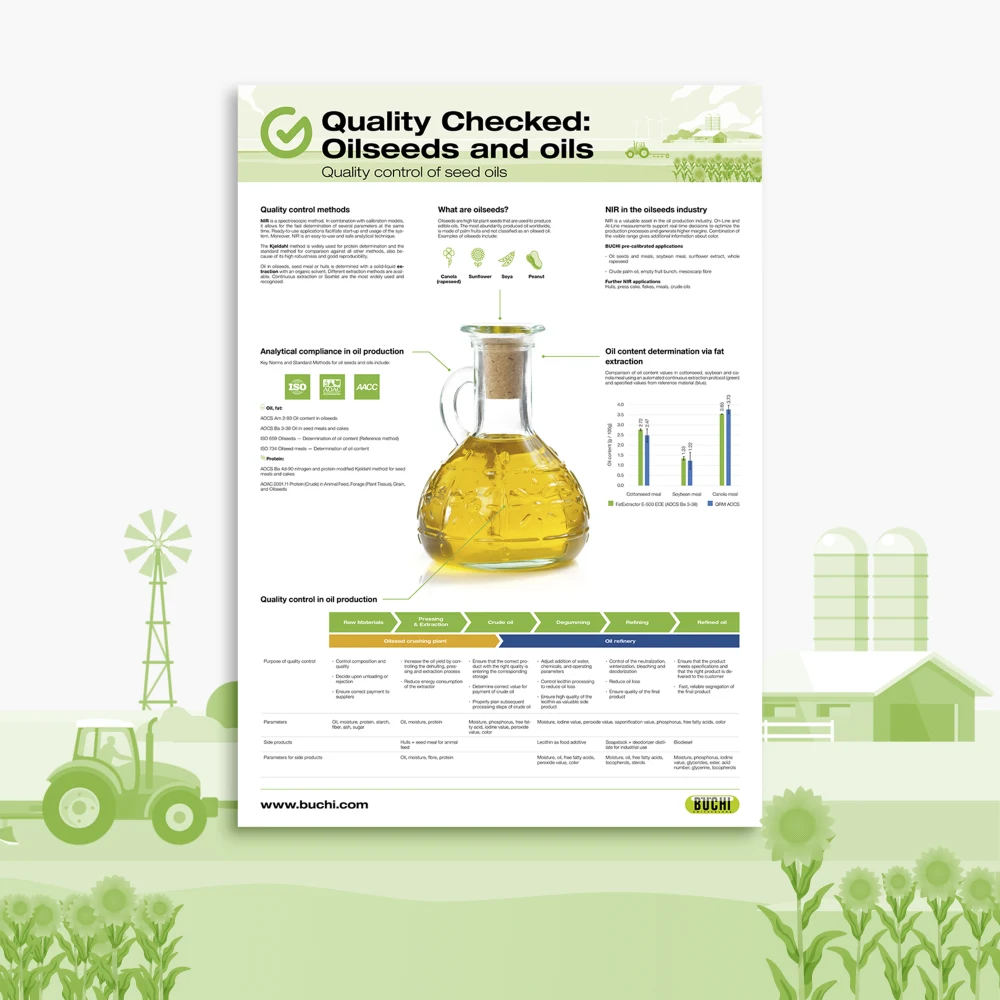
B2B Product Assurance, Testing & Shipment Verification
Sunflower Oil Quality Control, Testing & Export Verification
Inter Oliya coordinates order-specific quality requirements for refined, crude, bulk and private-label sunflower oil supply. The quality plan can cover the approved specification, facility and batch review, laboratory results, packaging inspection, traceability, loading checks and export-document consistency.
- Written Specification Product limits and test methods agreed first
- Batch Evidence COA connected to the proposed lot
- Pack Inspection Bottles, drums, tanks, cartons and pallets
- Document Match Product, batch, quantity and shipment aligned
Quality control is order-specific. The actual producer, refinery, packing facility, laboratory, inspector, certificate scope and acceptance criteria must be confirmed in the quotation, specification and supporting documents.
Evidence Against Requirements
Inspect and test the product against a written specification rather than general marketing claims.
Process & Responsibility
Define who samples, tests, approves, releases and handles non-conformity.
Product-to-Shipment Link
Connect batch, COA, packaging, quantity, seals and transport documents.
Current Scope Verification
Check every certificate and facility document for holder, scope and validity.
Quality Control Overview
A buyer-focused quality system begins with a measurable specification
Sunflower oil quality control is the process of comparing a product, package or shipment with defined requirements. It is different from vague statements such as “premium,” “food grade” or “export quality,” which do not identify measurable limits or evidence.
A strong quality file identifies the exact oil, origin, processing status, intended use, technical parameters, test methods, batch, packaging, storage conditions and acceptance process. The required controls differ between crude oil, refined oil, bulk loading and finished private-label products.
Inter Oliya coordinates commercial supply and buyer-document review. Operational testing and inspection may be performed by the applicable producer, refinery, packing facility, laboratory or independent inspection company, depending on what is agreed for the order.

The buyer should receive results tied to the actual batch, sampling date, method and issuing laboratory.
Quality Assurance Framework
Eight controls that connect supplier claims to the actual order
The quality plan should be scaled to product type, buyer risk, destination, packaging and order value.
Seller Verification
Confirm the registered counterparty, authorized signatory and payment beneficiary.
Facility Verification
Identify the producer, refinery, packing or loading facility applicable to the order.
Product Specification
Approve oil identity, processing status, parameters, test methods and intended use.
Sampling Plan
Define who samples, where, when, how the sample is sealed and which lot it represents.
Laboratory Testing
Use appropriate methods and connect results to the approved batch and acceptance limits.
Packaging Inspection
Check containers, closures, seals, labels, cartons, pallets and bulk-loading equipment.
Document Reconciliation
Make sure invoice, packing, COA, origin and transport documents describe one shipment.
Release & Claims
Agree approval, rejection, replacement, inspection and claim procedures before dispatch.
Food-Grade Sunflower Oil Testing
Testing priorities depend on whether the oil is crude or refined
Numeric limits must come from the buyer-approved product specification. This page identifies common decision areas without inventing universal values for every product and destination.
Refined Sunflower Oil
Refined oil should be evaluated against the finished application, storage conditions, packaging and destination-market requirements.
Crude Sunflower Oil
Crude oil should be evaluated for refinery suitability, expected processing load, storage condition and finished-oil yield.
Sunflower Oil Inspection Process
A controlled path from buyer requirement to shipment release
The quality process should be agreed before payment, production or allocation—not added after a problem occurs.
Define Buyer Requirements
Record product, intended use, parameters, packaging, destination and acceptance criteria.
Review Seller & Facility
Verify the legal seller and identify the actual production, packing or loading facility.
Approve Specification
Agree parameter limits, methods, sampling, shelf life, storage and batch documents.
Sample the Product
Define representative sampling, seals, identification, custody and retained samples.
Test & Review Results
Compare the laboratory report or COA with the approved specification.
Inspect Packaging
Check containers, closures, labels, coding, cartons, pallets or bulk-loading equipment.
Verify Loading & Documents
Reconcile quantity, batch, seals, packing, COA, origin and transport documents.
Release or Escalate
Approve dispatch or follow the agreed non-conformity and claims process.
Packaging & Loading Inspection
Inspect the package that protects the oil and carries the buyer’s brand
Packaging controls differ between bottled retail products, industrial containers and bulk liquid shipments. The inspection checklist must match the actual format.
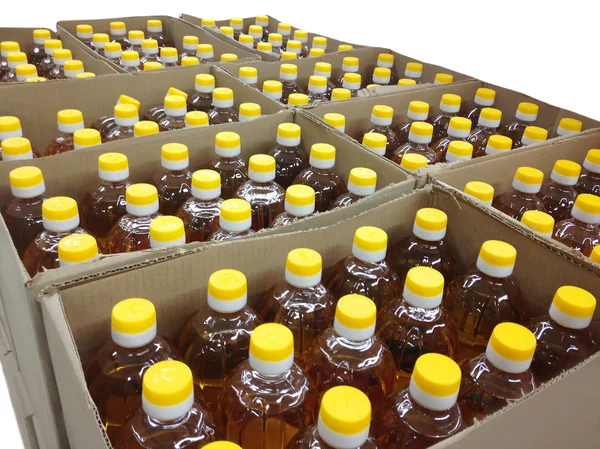
Bottle, Closure & Label Checks
Inspect fill, bottle condition, closure, tamper evidence, leaks, label placement, coding and presentation.
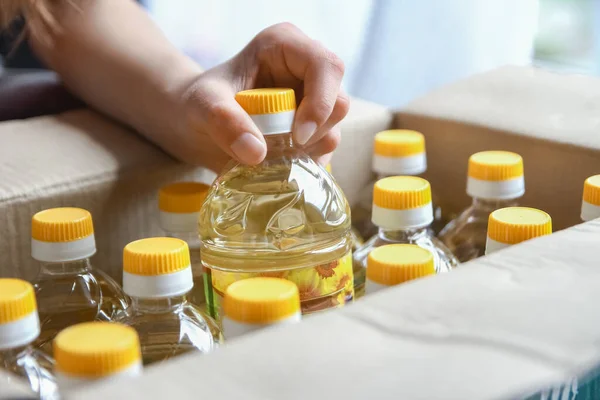
Carton & Case Inspection
Check case count, board condition, print, markings, closures, coding and stacking suitability.
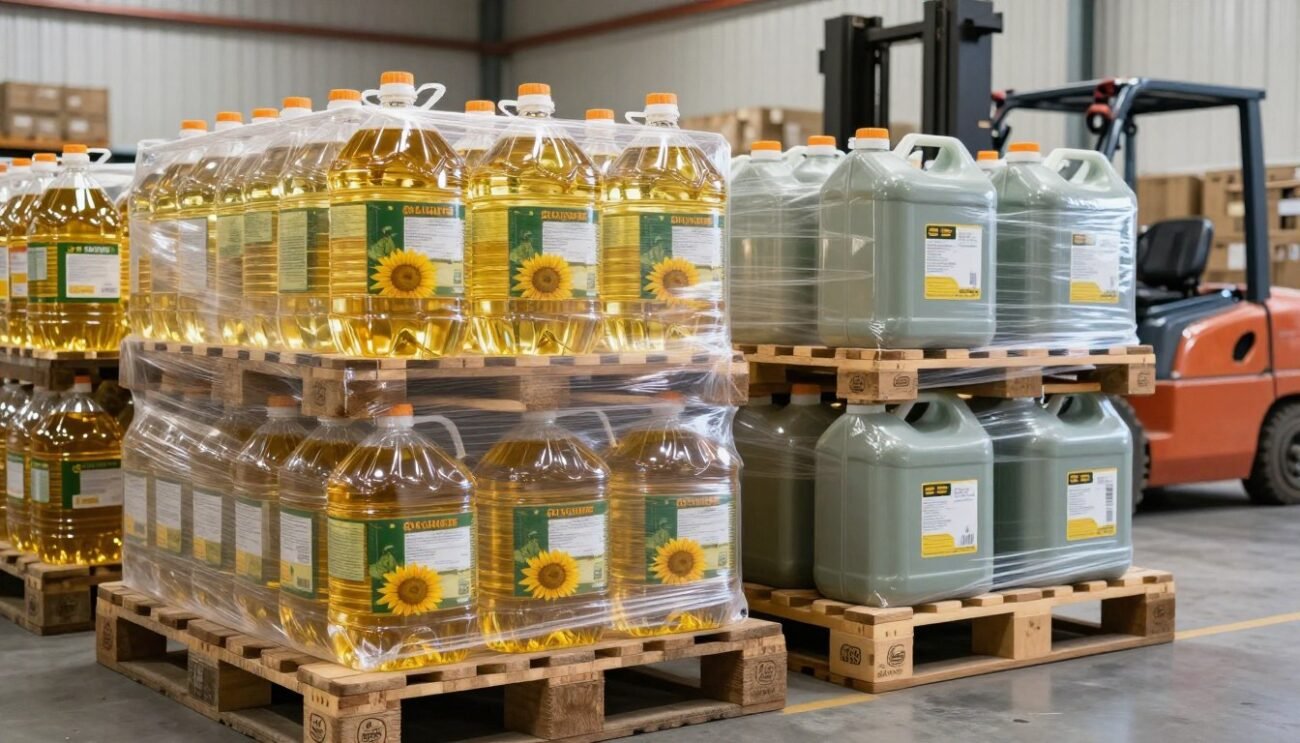
Pallet & Load Stability
Review pallet condition, pattern, height, wrapping, corner protection, labels and container loading.
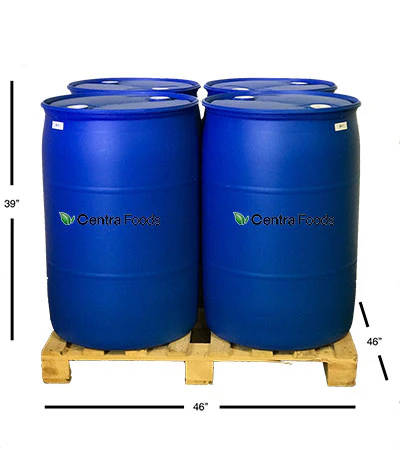
Drum & IBC Inspection
Confirm food-contact suitability, cleanliness, closures, seals, net quantity, markings and handling condition.
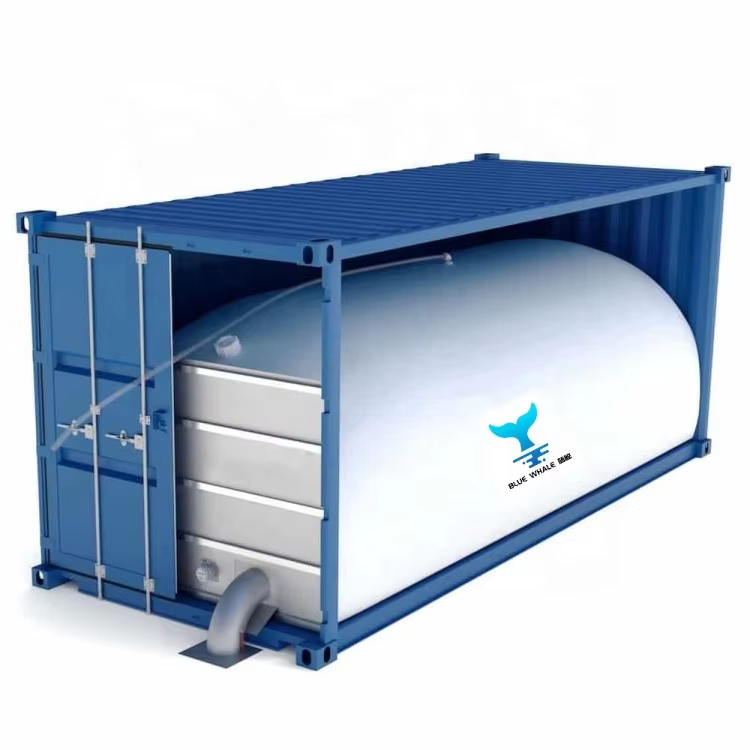
Flexitank & Container Checks
Review container condition, liner, bulkhead, fittings, loading control, seals, route and discharge capability.
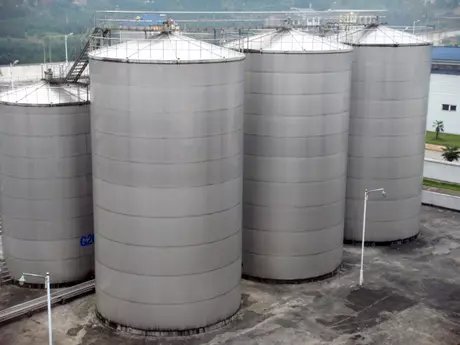
Tank, Line & Segregation Review
Confirm tank identity, previous cargo, cleanliness, segregation, temperature, sampling and loading records.
Quality Documents & Traceability
Every document should support the same product, batch and shipment
A certificate logo or generic PDF does not prove that a particular order is compliant. Buyers should verify document identity, scope, validity and connection to the actual supply.
Current, relevant and shipment-connected evidence
Documents should be reviewed against the legal seller, operating facility, product, activity, batch, quantity and destination.
Product Specification
Defines identity, processing status, parameters, methods, intended use, shelf life and storage.
Certificate of Analysis
Shows results for the proposed batch and identifies the laboratory, date and methods.
Facility & System Documents
Verify holder, location, activity, product scope, issuer, number and validity period.
Inspection Report
Records observations, sampling, quantity, packaging, seals, loading and supporting images where agreed.
Traceability File
Connects production or oil batch, packing run, lot code, pallet, tank and shipment references.
Export Documents
Align invoice, packing list, origin, transport and destination documents with the approved supply.
Independent Inspection & Testing
Additional controls can be agreed for higher-risk or higher-value orders
Independent services are not automatically included. They should be specified in the quotation, including scope, cost, timing, laboratory or inspection company and responsibility.
Independent Sampling
A third party may witness or perform sampling and seal retained samples under an agreed protocol.
External Laboratory Testing
Selected parameters may be tested by an agreed laboratory using identified methods.
Pre-Shipment Inspection
An inspector may verify quantity, packaging, labels, cartons, pallets, seals or bulk loading.
Container or Tank Survey
The transport unit, cleanliness, condition, previous cargo and loading readiness may be reviewed.
Document Review
Commercial and quality documents can be checked before balance payment or shipment release.
Destination Inspection
The parties may agree arrival sampling, seal verification, quantity or condition checks.
Current Company Registration Details
Verify the legal seller separately from the production facility
Inter Oliya’s legal identity should match the quotation, contract, invoice and payment beneficiary. The actual producer, refinery, packing or loading facility remains order-specific and should be disclosed separately.
Why the distinction matters
A registered trading or supply company may coordinate products from approved facilities. That does not automatically mean the seller owns every factory, refinery, tank farm, packing line or laboratory shown in marketing materials.
Before contracting, buyers should request a current registry extract, verify the authorized representative, confirm the payment beneficiary and review the relationship between the seller and the facility fulfilling the order.
These registration details replace obsolete company information previously displayed on the page.
Buyer Quality Checklist
What to agree before placing a sunflower oil order
The final contract should convert quality expectations into clear responsibilities, evidence and remedies.
Exact Product & Intended Use
Define crude, refined, high-oleic, bottled, bulk or private-label supply and its intended application.
Approved Specification
State measurable limits, test methods, shelf life, storage and acceptance criteria.
Sampling & Laboratory
Agree sampling point, sample custody, testing party, methods and retained samples.
Batch Evidence
Require the COA, lot reference and traceability file for the product shipped.
Packaging & Loading
Approve packaging materials, closures, seals, labels, pallets, tanks, liners and loading controls.
Current Facility Documents
Verify holder, facility, scope, issuer, number, dates and connection to the order.
Inspection & Release
State whether third-party inspection is required and who authorizes shipment.
Non-Conformity & Claims
Agree notice periods, retesting, independent analysis, rejection, replacement and compensation procedures.
Sunflower Oil Quality Control FAQ
Questions from importers, manufacturers and procurement teams
These answers explain the general framework. The order-specific specification, quotation, contract and supporting documents govern the actual transaction.
What is sunflower oil quality control?
Sunflower oil quality control is the process of comparing the product, packaging and shipment with agreed requirements through specification review, sampling, testing, inspection, traceability and document verification.
What is the difference between quality control and quality assurance?
Quality control focuses on checking product or shipment results. Quality assurance defines the processes, responsibilities and records intended to make consistent conformity more likely.
Which tests are used for refined sunflower oil?
Testing may include acid value or free fatty acids, peroxide value, moisture, impurities, colour, clarity, sensory characteristics, fatty-acid composition, cold clarity, contaminants and other buyer-required parameters.
Which tests are important for crude sunflower oil?
Refinery intake may review origin, extraction basis, acidity, moisture, insoluble impurities, phosphorus, peroxide value, iodine value, fatty-acid composition, contaminants and storage condition.
What is a Certificate of Analysis?
A Certificate of Analysis reports test results for an identified product or batch. Buyers should verify the batch, date, laboratory, methods, units and comparison with the approved specification.
Does Inter Oliya own the testing laboratory or production facility?
This page does not claim ownership of every laboratory, refinery, producer or packing facility. The applicable facility and testing party must be identified for the actual order.
Can independent inspection or laboratory testing be arranged?
Independent sampling, testing or pre-shipment inspection may be added when agreed in the quotation, including scope, provider, timing, cost and responsibility.
Are ISO or HACCP certificates proof of batch quality?
No. Management-system or food-safety documents can support facility due diligence, but they do not replace the product specification, batch analysis, packaging inspection and shipment evidence.
Which company registration number should buyers use?
The current Inter Oliya USREOU code is 46172743. Buyers should confirm that this legal identity matches the quotation, contract, invoice and payment beneficiary.
What should a buyer send when requesting quality documents?
Provide the product, intended use, quantity, packaging, destination, required parameters, test methods, certificate requirements, inspection scope and target purchase date.
Product, Batch & Shipment Quality Review
Request a sunflower oil quotation with defined quality requirements
Send the product, intended use, specification, quantity, packaging, destination, testing parameters and inspection requirements for a commercially relevant review.