
Incoterms® 2020 for B2B Sunflower Oil Trade
Sunflower Oil Delivery Terms for International Export Buyers
Compare FCA, FOB, CIF, DAP, DPU and DDP for refined, crude, bottled, private-label and bulk sunflower oil supply from Ukraine. This buyer guide explains delivery, risk transfer, freight, insurance, export and import clearance, and the information that must appear in an order-specific quotation.
- Incoterms® 2020 Current ICC edition used in quotations
- Named Place Required Port, terminal, warehouse or carrier point
- Risk ≠ Freight Cost Transfer can occur before the seller-paid carriage ends
- DDP Is Conditional Import and tax feasibility must be verified
This page provides commercial guidance, not legal advice. The controlling term is the exact wording in the quotation and sales contract.
Match the Mode and Cargo
Sea-only rules and any-mode rules are not interchangeable in every transaction.
Term + Named Place + 2020
“CIF” alone is incomplete; the destination port and rule edition must be stated.
Separate Cost from Risk
Who pays freight is not always the party carrying transport risk.
Incoterms Are Not the Whole Contract
Quality, payment, title, inspection and remedies require separate clauses.
Direct Buyer Answer
What do sunflower oil delivery terms actually control?
Incoterms® rules allocate defined delivery tasks, costs and transport risks between seller and buyer. They help the parties decide who arranges main carriage, who clears export or import, where delivery occurs and where risk transfers.
They do not automatically decide the product price, payment method, transfer of legal title, quality specification, sanctions compliance, force majeure, inspection rights, late-delivery remedies or dispute resolution. Those issues belong in the quotation, specification and sales contract.
For sunflower oil, the correct rule also depends on whether the order is bottled and palletized, loaded in drums or IBCs, shipped in a flexitank, or moved in a road or ISO tank. The buyer’s freight capability and importer status are equally important.
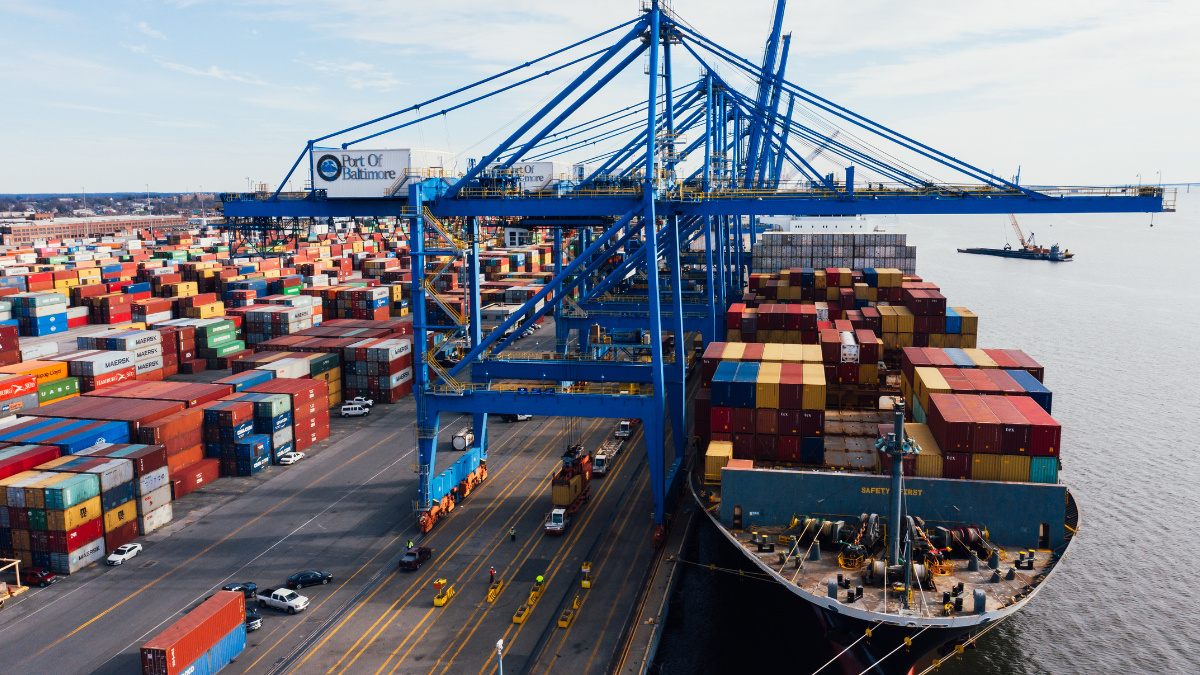
Under CIF, for example, the seller pays freight to destination while risk transfers at the shipment port.
Main Incoterms for Sunflower Oil
FCA, FOB, CIF, DAP, DPU and DDP explained for B2B buyers
The summaries below are practical procurement guidance. The full ICC rule and the written contract remain authoritative.
Free Carrier
The seller delivers export-cleared goods to the carrier or other person at the named place. It can suit containerized or multimodal shipments where handover occurs before vessel loading.
- Main carriage
- Buyer normally contracts
- Risk transfer
- At delivery to carrier at the named place
- Import clearance
- Buyer
Free On Board
The seller delivers when the goods are on board the vessel at the named shipment port. The buyer contracts the main ocean carriage and carries risk from on-board delivery.
- Main carriage
- Buyer
- Risk transfer
- On board at shipment port
- Import clearance
- Buyer
Cost, Insurance and Freight
The seller contracts ocean carriage and minimum insurance to the named destination port, but delivery and risk transfer occur when the goods are on board at shipment.
- Main carriage
- Seller pays to named destination port
- Risk transfer
- On board at shipment port
- Import clearance
- Buyer
Delivered At Place
The seller bears transport cost and risk to the named destination, with goods ready for unloading. The buyer handles import clearance, duties and taxes.
- Main carriage
- Seller
- Risk transfer
- Named destination, before unloading
- Import clearance
- Buyer
Delivered at Place Unloaded
The seller delivers and bears risk through unloading at the named destination. The buyer remains responsible for import clearance, duties and taxes.
- Main carriage
- Seller
- Risk transfer
- After unloading at destination
- Import clearance
- Buyer
Delivered Duty Paid
The seller carries maximum responsibility, including import clearance and applicable duties or taxes, to the named destination. It is used only where legally and operationally feasible.
- Main carriage
- Seller
- Risk transfer
- Named destination, ready for unloading
- Import clearance
- Seller
Buyer Comparison Matrix
Compare responsibility, risk, freight, insurance and customs
This matrix is designed for commercial screening. The exact obligations depend on the complete Incoterms® 2020 rule and the named place in the contract.
| Rule | Transport mode | Seller pays main carriage? | Risk transfers | Seller-arranged insurance? | Import clearance | Typical sunflower-oil use |
|---|---|---|---|---|---|---|
| FCA | Any mode / multimodal | No, unless separately agreed | Carrier handover at named place | No | Buyer | Containerized bottles, drums, IBCs or flexitank handover |
| FOB | Sea / inland waterway | No | On board vessel at shipment port | No | Buyer | Suitable sea commodity shipments where on-board delivery is controlled |
| CIF | Sea / inland waterway | Yes, to destination port | On board vessel at shipment port | Yes, minimum cover unless higher agreed | Buyer | Port-to-port bulk or maritime commodity shipments |
| DAP | Any mode / multimodal | Yes, to named destination | Destination, ready for unloading | No mandatory buyer cover | Buyer | Warehouse, terminal or buyer-address delivery |
| DPU | Any mode / multimodal | Yes, including unloading | After unloading at destination | No mandatory buyer cover | Buyer | Destination delivery where seller can control unloading |
| DDP | Any mode / multimodal | Yes | Destination, ready for unloading | No mandatory buyer cover | Seller | Only where seller can legally manage import, duties and taxes |
Risk Transfer vs Freight Payment
The most important distinction in FOB, CIF and destination terms
Many disputes begin because the parties confuse the freight invoice with the point where loss or damage risk transfers.
Three different questions must be answered
Who pays carriage, who carries risk and who handles customs may be three different parties at different stages of the journey.
Buyer freight, shipment-port risk
The buyer normally contracts ocean freight and carries risk after on-board delivery.
Seller freight, shipment-port risk
The seller pays freight and insurance to destination, but risk still transfers at shipment.
Seller cost and risk to destination
The seller carries transport risk to the named place; the buyer handles import clearance.
Seller cost, risk and import responsibility
The seller carries the broadest obligation and must be able to clear import legally.
Selecting a Rule by Cargo and Buyer Capability
The best term depends on the loading unit, route and importer
These are decision factors, not automatic recommendations. The quotation must confirm the final rule.
Bottles, Cartons & Pallets
FCA, a seller-carriage rule or a destination rule may be reviewed depending on handover and buyer logistics.
- Container terminal handover point
- Carton and pallet dimensions
- Port and inland delivery plan
- Importer and label responsibilities
Drums & IBCs
The rule should account for loading equipment, pallet handling, carrier handover and receiving capability.
- Net and gross weight
- Container or truck loading
- Leakage and damage inspection
- Returnable-container obligations
Flexitank
FCA, FOB, CIF or another rule may be considered based on who controls container preparation and vessel loading.
- Liner and container responsibilities
- Safe fill and payload
- Sampling and seals
- Discharge capability
Road Tanker or ISO Tank
Any-mode rules are usually evaluated because the movement may involve road, rail or multimodal carriage.
- Cleaning and previous cargo
- Loading and discharge points
- Transit borders and customs
- Equipment detention or demurrage
Buyer Controls Main Freight
FCA or FOB may be considered where the buyer has a forwarder, carrier contracts and import capability.
- Buyer controls routing
- Buyer negotiates freight
- Clear carrier handover
- Buyer manages import
Buyer Needs Seller-Arranged Carriage
CIF, CPT, CIP, DAP or DPU may be reviewed according to mode, destination and required risk point.
- Port or door delivery
- Insurance requirement
- Unloading responsibility
- Import-clearance responsibility
DDP Requires Special Caution
Do not request or offer DDP before checking importer, tax and customs feasibility
DDP places the maximum Incoterms responsibility on the seller and can be impractical where a foreign seller cannot register, act as importer or recover destination taxes.
Why DAP may be more workable than DDP
Under DAP, the seller can arrange carriage to the named destination while the buyer, as local importer, handles import clearance, duties and taxes. This often aligns more naturally with the buyer’s local registration and customs broker.
DDP should be quoted only after confirming who can act as importer of record, who pays and recovers VAT or similar taxes, which licences are required, and whether customs and local delivery can legally be controlled by the seller.
Correct Quotation Wording
Write the rule, exact place and Incoterms® 2020 edition
The named place should be precise enough to identify the delivery point and the party responsible for charges at that location.
FCA [named terminal or carrier point], Ukraine, Incoterms® 2020Define whether loading onto the collecting vehicle is included at the named place.
FOB [named port of shipment], Incoterms® 2020Use only where on-board vessel delivery is appropriate and controlled.
CIF [named destination port], Incoterms® 2020State insurance level, destination charges and documents separately.
DAP [full named delivery place], Incoterms® 2020Clarify unloading, appointments, access restrictions and import responsibility.
DPU [full named unloading place], Incoterms® 2020Use only where the seller can control and price unloading safely.
DDP [full named destination], Incoterms® 2020Use only after importer, tax, customs and product-registration feasibility is confirmed.
Documents Affected by the Delivery Structure
Incoterms allocate responsibilities, but the document list remains order-specific
The quotation and contract should identify who obtains, pays for and supplies each document.
Commercial Documents
Quotation, sales contract or proforma, commercial invoice, packing list and payment schedule.
Product & Batch Documents
Specification, Certificate of Analysis, traceability, shelf life and packaging details.
Export & Origin Documents
Export declaration, origin evidence and other seller-side documents required for the shipment.
Transport Documents
Bill of lading, sea waybill, CMR, rail document or other mode-specific evidence.
Insurance Evidence
Policy or certificate where required by CIF, CIP or the separate sales agreement.
Import & Destination File
Importer licences, customs entries, tax records, labels and authority documents as applicable.
Delivery-Term Selection Process
Choose the rule only after the product, route and buyer capability are known
The sequence below prevents a delivery term from being selected before its costs and legal obligations are understood.
Define the Product
Confirm oil type, quantity, packaging, loading unit, specification and intended use.
Define the Destination
Provide country, port, terminal, warehouse or complete delivery address.
Confirm Buyer Capability
Assess freight contracts, importer status, customs broker and unloading capability.
Choose the Transport Mode
Identify sea, road, rail, multimodal, flexitank, tanker or packaged-container movement.
Compare Cost and Risk
Separate freight payment, risk transfer, customs and insurance obligations.
Test Legal Feasibility
Review importer, tax, sanctions, product registration and destination restrictions.
Write the Exact Rule
State the three-letter term, named place and Incoterms® 2020 in the quotation.
Complete the Contract
Add product, payment, title, inspection, claims, delay and dispute provisions.
Incoterm-Based Commercial Quotation
Request a quote using your product, destination and preferred delivery structure
A preferred Incoterm can be submitted, but the final quotation will confirm whether the rule is commercially and legally workable.
- Legal company name and buyer type
- Product and intended use
- Quantity and repeat volume
- Packaging or bulk-loading format
- Destination port, terminal or full address
- Preferred Incoterm and named place
- Importer and customs-broker capability
- Required documents, insurance and inspection
Request Delivery-Term Pricing
Complete the commercial details so the product, freight, risk and customs structure can be reviewed together.
Current Company Information
Verify the seller, quotation and payment beneficiary
The delivery term does not replace company due diligence. The legal seller should match the quotation, contract, invoice and approved payment details.
Inter Oliya’s commercial role
Inter Oliya is a registered Ukraine-based sunflower-oil supply and trade company. The producer, refinery, packing, storage, carrier-handover or loading facility may be a separate entity identified in the quotation.
The registered office is provided for legal verification and is not presented as a refinery, warehouse, port terminal or public collection point.
Export & Logistics Topic Cluster
Continue to the page matching your next procurement question
Delivery Terms explains Incoterms. The linked pages cover products, transport execution, compliance and formal quotations.
Products & International Supply
Shipping & Packaging
Compliance and Quotation
Sunflower Oil Delivery Terms FAQ
Questions from importers, distributors and food manufacturers
These answers summarize the commercial guidance. The exact Incoterms® 2020 rule, named place and sales contract govern an actual order.
Which delivery terms may be quoted for sunflower oil?
Depending on the cargo, route and buyer capability, a quotation may consider FCA, FOB, CIF, CPT, CIP, DAP, DPU or DDP. The final rule and named place must be confirmed in writing.
What is the difference between FCA and FOB?
FCA is an any-mode rule with delivery to a carrier at a named place. FOB is reserved for sea or inland-waterway transport and delivery occurs on board the vessel at the shipment port.
Does CIF mean the seller carries risk to the destination port?
No. The seller pays carriage and arranges minimum insurance to the destination port, but risk transfers when the goods are on board at the shipment port.
What is the difference between DAP and DDP?
Under DAP, the buyer handles import clearance, duties and taxes. Under DDP, the seller handles import formalities and carries the maximum Incoterms obligation.
Who unloads the goods under DAP?
DAP delivery occurs with the goods ready for unloading at the named destination. The sales contract and carriage arrangement should clearly identify unloading costs and responsibilities.
When should DPU be considered?
DPU may be considered when the seller can safely control and price unloading at the named destination. The buyer still handles import clearance.
Is DDP available for every destination?
No. DDP is considered only where the seller can legally and operationally manage import clearance, duties, taxes, product requirements and final delivery.
Do Incoterms determine the payment method or transfer of ownership?
No. Payment, title transfer, product quality, inspection, force majeure and dispute terms must be addressed separately in the quotation and sales contract.
How should an Incoterm appear in a quotation?
Use the exact three-letter rule, a precise named place or port and the edition, for example: DAP [full named destination], Incoterms® 2020.
What information is needed for a delivery-term quotation?
Provide the company, product, quantity, packaging, destination, preferred term, importer capability, required documents, insurance and target date.
Order-Specific Sunflower Oil Delivery Structure
Request a quotation with the correct rule, named place and responsibilities
Submit the product, quantity, packaging, destination and preferred Incoterm so freight, risk, customs and document responsibilities can be priced accurately.