Specification Before Freight
Oil grade, pack, quantity and loading requirements determine feasible logistics.

B2B Route Planning, Freight Coordination & Shipment Handover
Plan sunflower-oil shipments around the actual product, order volume, packaging, loading point, destination and Incoterm. Inter Oliya coordinates order-specific export logistics for packaged and bulk supply, including route feasibility, freight handover, shipment-document reconciliation and buyer status communication.
Freight schedules, border conditions, equipment availability, terminal capacity and security can change. No carrier, port, transit time or departure is final until confirmed in writing.
Oil grade, pack, quantity and loading requirements determine feasible logistics.
Cost, risk and obligations should be written clearly into the quotation.
Product, batch, quantity, seals and shipment documents should agree.
Schedule or route changes are communicated against the confirmed shipment file.
Buyer due-diligence summary
Quoted freight and delivery terms are only meaningful when the same cargo description, route and responsibilities are being compared.
Specify net quantity, oil grade, bulk or packaged format, food-grade handling needs and total shipment weight.
Identify the Incoterm and named port or place, then separate risk transfer from who pays which costs.
Confirm which party supplies origin, commercial, quality, loading and transport records for the actual route.
Agree contingency steps for schedule changes, inspection delays, seals, customs holds and unloading access.
Export Logistics Hub
Export logistics is the operational bridge between an approved sunflower-oil order and delivery under the agreed commercial terms. It begins with the product and loading point, then connects packaging, route, transport equipment, carrier or forwarder, shipment documents, handover, status reporting and exception control.
It is different from simply choosing “sea” or “truck.” A commercially workable route must fit the product, receiving infrastructure, quantity, Incoterm, destination, schedule and document requirements at the same time.
Inter Oliya coordinates this process as the supplier and commercial counterparty. The actual carrier, freight forwarder, terminal, warehouse, port, tanker or loading facility may be a separate operator identified for the shipment.
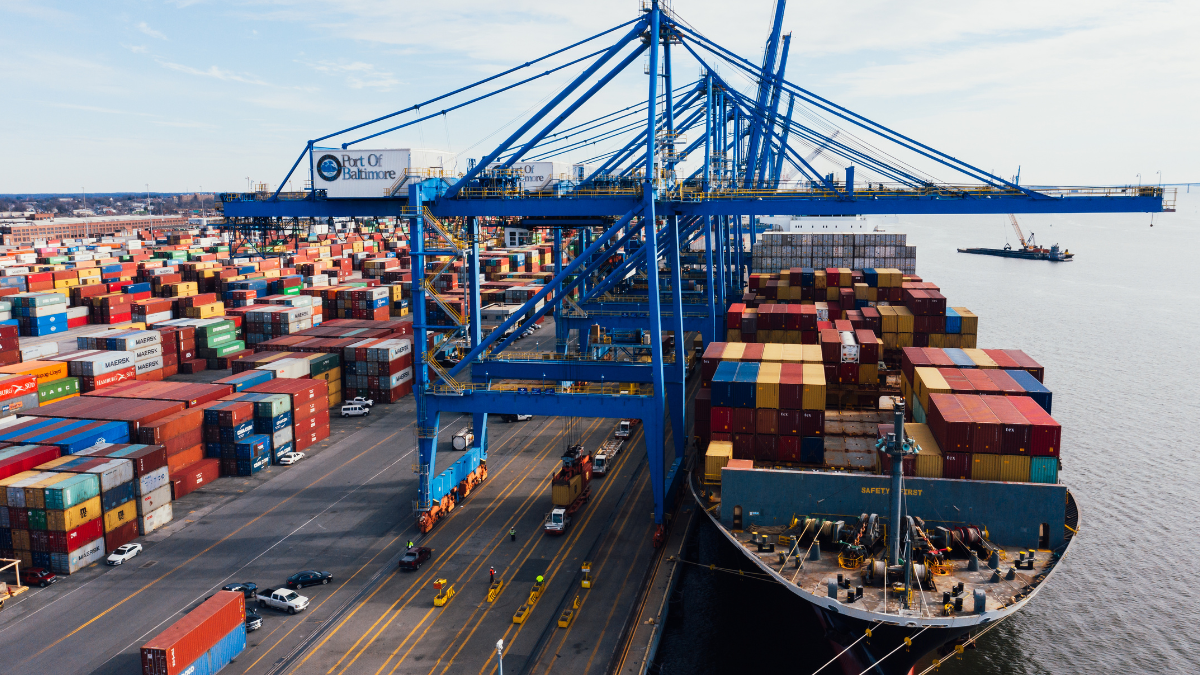
Product, quantity, pack, loading point, named destination and commercial responsibilities come first.
Route-Planning Inputs
A freight estimate is only meaningful when the shipment itself is sufficiently defined.
Refined, crude, high oleic, bottled or private-label oil; food-grade requirements and specification.
Net order volume, expected payload, partial or full load and repeat-order forecast.
Bottles, cartons, drums, IBCs, flexitank, road tanker, ISO tank or other approved format.
Actual refinery, packer, warehouse or loading facility and its equipment capability.
Country, port, terminal, warehouse or delivery address plus receiving constraints.
Incoterms 2020 rule and exact named place or port controlling cost, risk and obligations.
Customs, origin, product, quality, certification and carrier documents required by contract or destination.
Product-ready date, required delivery window, booking cut-offs and any time-sensitive documentation.
Shipment Route Families
These are planning categories, not guaranteed services. Final feasibility depends on the origin point, destination, equipment, carrier capacity and commercial terms.
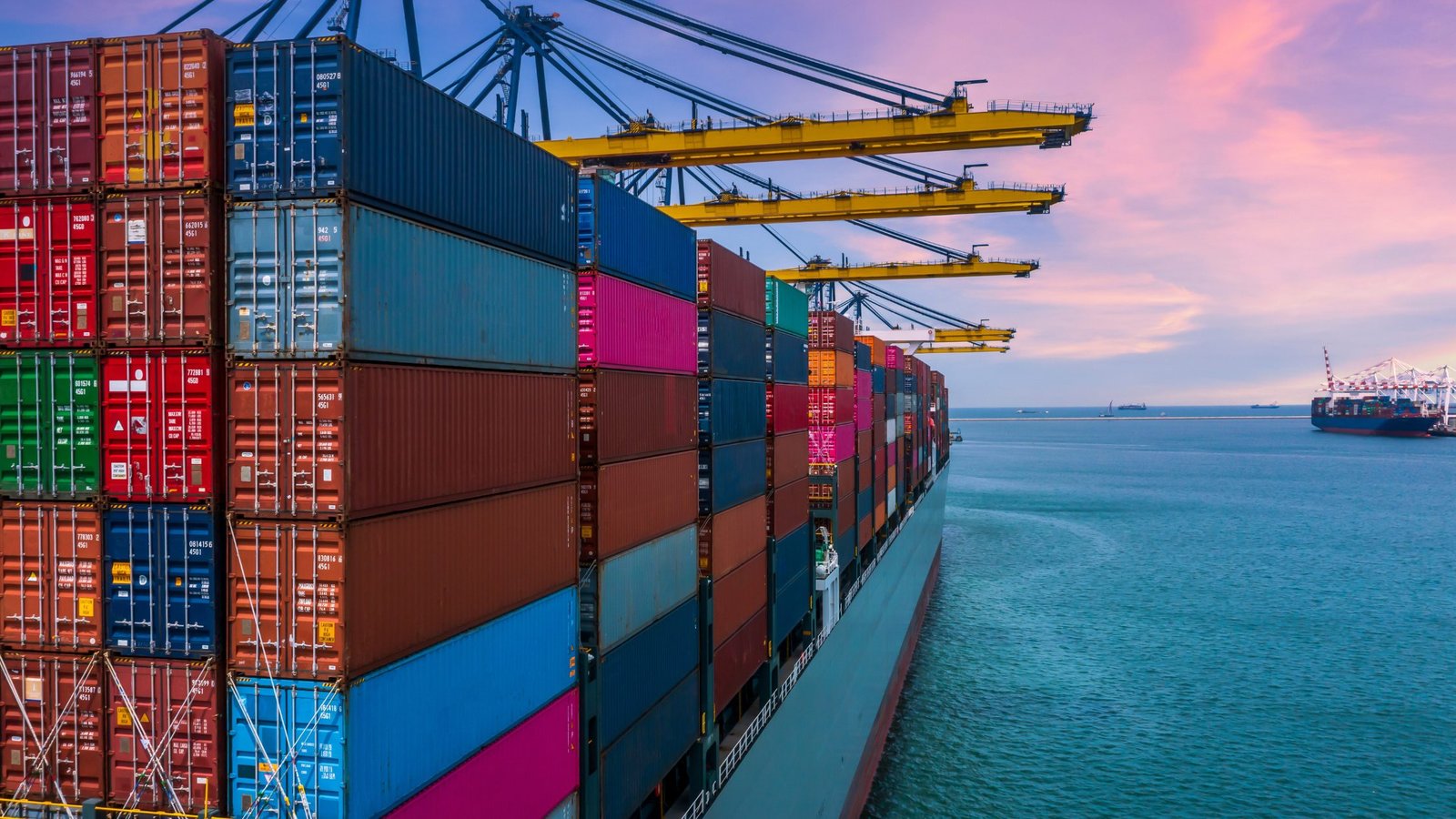
Commonly evaluated for bottled, palletized, drum, IBC or flexitank shipments moving to international ports.
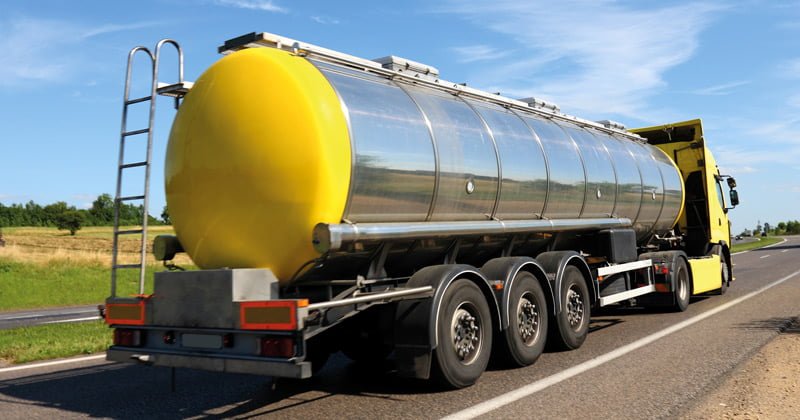
Evaluated for palletized goods, full-truck loads or approved food-grade tanker movements where route and receiving access permit.

May combine road, rail, terminal and sea legs when that improves route feasibility, equipment access or destination reach.
Product-to-Transport Matrix
Packaging, loading and receiving capability determine which transport equipment can be considered. Exact payloads and container quantities are confirmed per product and route.
| Supply format | Possible logistics route | Key loading checks | Buyer-side checks | Related page |
|---|---|---|---|---|
| Bottles & cartons | Road, containerized sea or multimodal | Pallet condition, count, wrap, labels, coding, container condition | Warehouse access, unloading, pallet format, import labels | Bottled Oil |
| Drums | Road, container or multimodal | Drum specification, closure, palletization, count, weight and securing | Handling equipment and storage suitability | Packaging |
| IBCs | Road or containerized freight | Food-contact suitability, closures, pallets, securing and gross weight | Forklift, storage and discharge connection | Packaging |
| Flexitank | Containerized sea with inland legs | Liner, container, bulkhead, fill, seal, payload, sampling and documentation | Destination terminal and discharge capability | Bulk Supply |
| Road tanker | Cross-border road where feasible | Food-contact tank, cleaning, previous cargo, seals, hoses and loading record | Tank receiving, pump, storage and scheduling | Storage Controls |
| ISO / tank container | Road, rail and sea multimodal | Container suitability, cleaning, previous cargo, valves, seals and inspection | Terminal, lifting and discharge infrastructure | Shipping Methods |
Incoterms 2020 in the Logistics Plan
Incoterms define delivery obligations, cost allocation and risk transfer. They do not set product price, payment terms, title transfer or every contract obligation.
Shipment-Document Reconciliation
Not every shipment uses the same documents. Requirements depend on the product, destination, transport mode, Incoterm, customs treatment and buyer contract.
Seller, buyer, product, quantity, price, currency, Incoterm and commercial references.
Packs, pallets, net and gross weight, lot references and loading quantities as applicable.
Bill of lading, CMR/e-CMR, rail document or other mode-specific transport record as applicable.
Certificate or declaration of origin where required by customs, trade preference or contract.
Approved specification, COA, lot or tank identity and quality-release evidence.
Container, tanker, vehicle, seal, loading count, sample and inspection references.
Food-safety, Halal, Non-GMO, Organic or other evidence only when applicable to the order.
Export, import or product documents required by the route and destination authority.
Who Does What?
A shipment may involve several legal and operational parties. Their responsibilities should be identified rather than presented as one company-owned logistics network.
Commercial supplier; coordinates the approved product, quotation, order requirements and agreed export-logistics scope.
Producer, refinery, packer, warehouse or loading site responsible for the physical product and relevant handling records.
Provides booked transport, carriage documents and operational movement according to the confirmed service.
Provides destination, receiving, import, label, customs and document requirements allocated to the buyer under the contract.
Shipment Execution Workflow
The workflow confirms feasibility before freight promises are treated as final.
Product, specification, quantity, packaging, loading point, destination and required date.
Review transport mode, receiving infrastructure, border or port route and equipment availability.
Define the seller and buyer logistics responsibilities in the quotation.
State product basis, freight scope, validity, inclusions, exclusions and assumptions.
Match production or allocation, packaging, quality release, loading site and dispatch window.
Confirm carrier or forwarder, equipment, schedule, cut-offs and mode-specific instructions.
Verify product, lot, quantity, condition, transport unit, seals, samples and documents.
Issue confirmed transport references and provide status or exception updates according to the shipment stage.
Confirmed Orders
Tracking visibility differs by road, rail, ocean and multimodal shipment. Some movements provide carrier portals or container events; others are updated through freight documentation, forwarder milestones or direct operational communication.
For a confirmed order, provide the company name, order or invoice reference, product, destination and shipment reference when requesting an update.
A schedule change does not automatically mean the contractual delivery obligation has changed. The impact should be reviewed against the confirmed booking, Incoterm, agreed timeline and cause of the exception.
Bulk Edible-Oil Transport Controls
For tanker, tank-container and other bulk movements, logistics planning must include food-contact suitability, cleanliness, dryness, previous cargo, segregation, loading condition, sampling and seal controls.
Clear SEO & Buyer Journey
Route planning, booking scope, shipment handover, transport coordination, status and exception management.
Review the workflowCompare road, ocean, rail, container, flexitank, tanker and multimodal options.
Compare transport methodsDetailed FCA, FOB, CIF, DAP and DDP responsibilities, costs and risk transfer.
Review IncotermsTanks, warehouse handling, pallet controls, loading preparation and dispatch readiness.
Review storage controlsCustoms, origin, destination, certification and shipment-document requirements.
Review export complianceInternational supply, buyer markets and destination feasibility.
Review international supplyTransparent Logistics Position
Inter Oliya is a registered Ukraine-based supply and trade company. The carrier, freight forwarder, terminal, port, tank operator, warehouse or transport equipment used for a shipment may be provided by separate legal operators.
This page intentionally does not display major carrier logos as “partners” unless a relationship is independently documented. The actual provider is selected and identified according to the shipment route and booking.
The registered office is provided for company verification and is not represented as a port, warehouse, refinery, tank farm or freight terminal.
Sunflower Oil Export Logistics FAQ
Final route, freight cost, carrier, schedule and documents are confirmed for the actual order.
It includes route planning, transport mode, equipment, Incoterm, loading handover, carrier or forwarder coordination, shipment-document reconciliation, status communication and exception management.
Inter Oliya coordinates order-specific export logistics for qualified sunflower-oil supply. The actual route, provider, loading point, schedule and cost are confirmed in the written shipment or quotation file.
Road, containerized sea, rail and multimodal routes may be considered. Flexitank, tanker or tank-container equipment depends on the product, volume, route and receiving capability.
Yes, flexitank can be considered for suitable bulk liquid orders. The liner, container, payload, fill, seal, route, terminal and destination discharge capability must be confirmed.
Terms are quoted only when suitable for the actual route. FOB and CIF are sea or inland-waterway rules. DAP can be used for multimodal delivery. DDP is considered only where destination import and tax obligations are legally and operationally feasible for the seller.
Provide product, quantity, packaging, loading point if known, destination, preferred Incoterm, document requirements, target delivery window and receiving constraints.
The file may include invoice, packing or weight list, transport document, origin evidence, product specification, COA, loading and seal records, compliance documents and customs documents as applicable.
No universal transit time is guaranteed on this page. Timing depends on product readiness, route, booking, carrier schedule, border or terminal conditions and destination. Confirmed timing is stated for the actual shipment.
Status visibility depends on the transport mode and provider. Updates may use carrier events, container references, freight documents, forwarder milestones or direct operational communication.
No such ownership is claimed. Carriers, forwarders, terminals and transport operators may be separate companies selected for the actual booked shipment.
Order-Specific Export Planning
Send the product, quantity, packaging, destination, preferred Incoterm and required documents for a commercial review of product and freight feasibility.